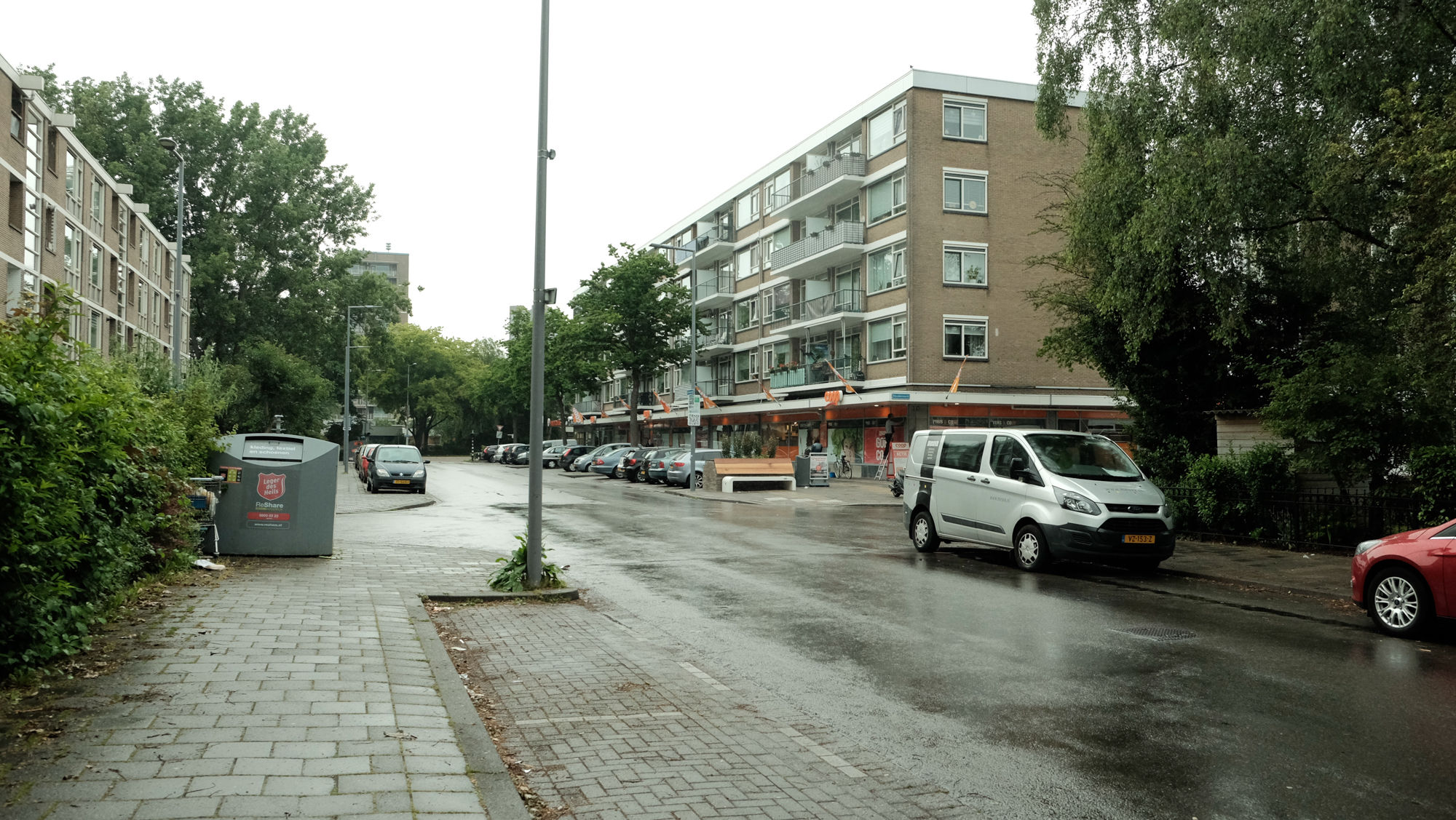
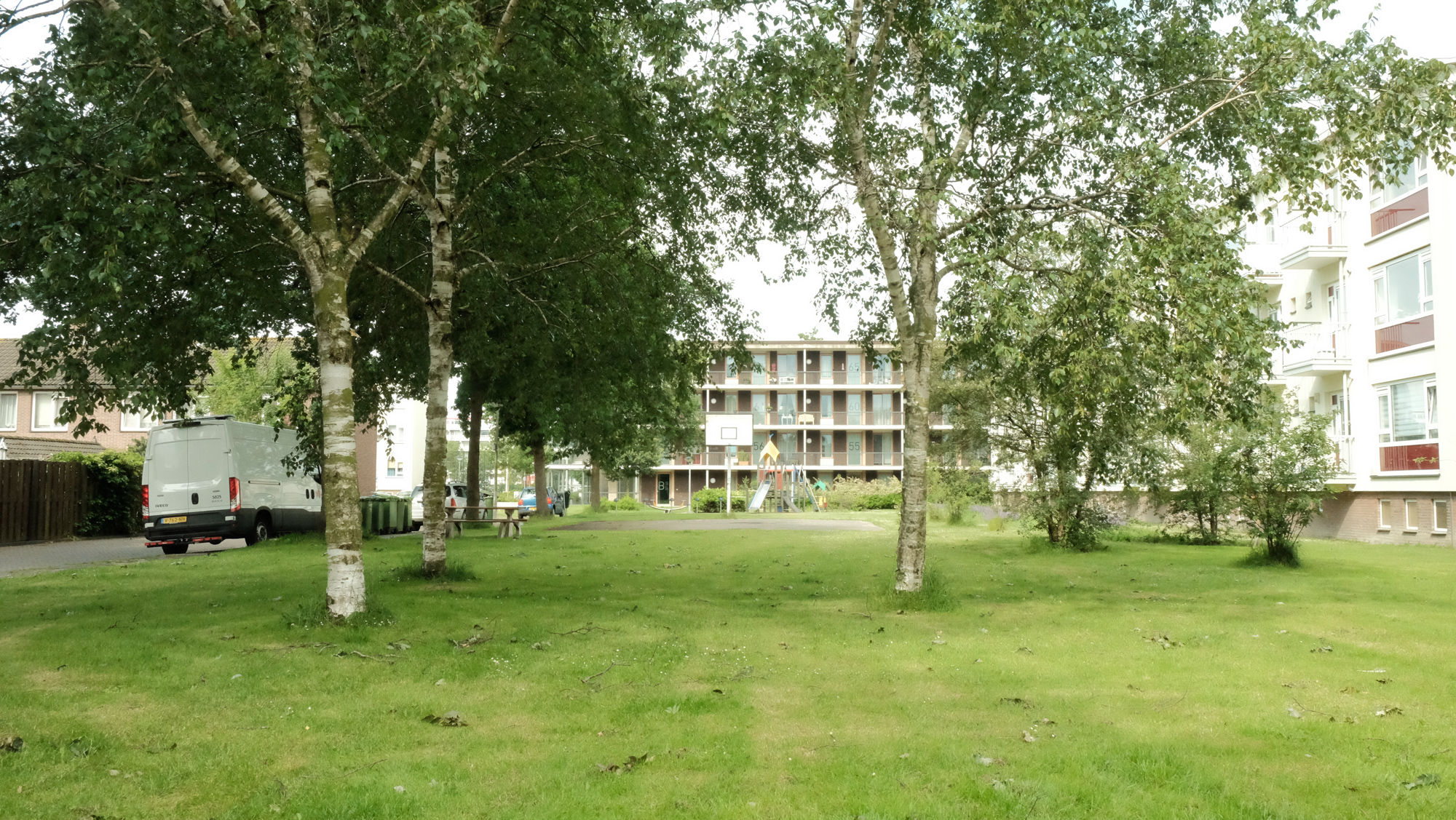
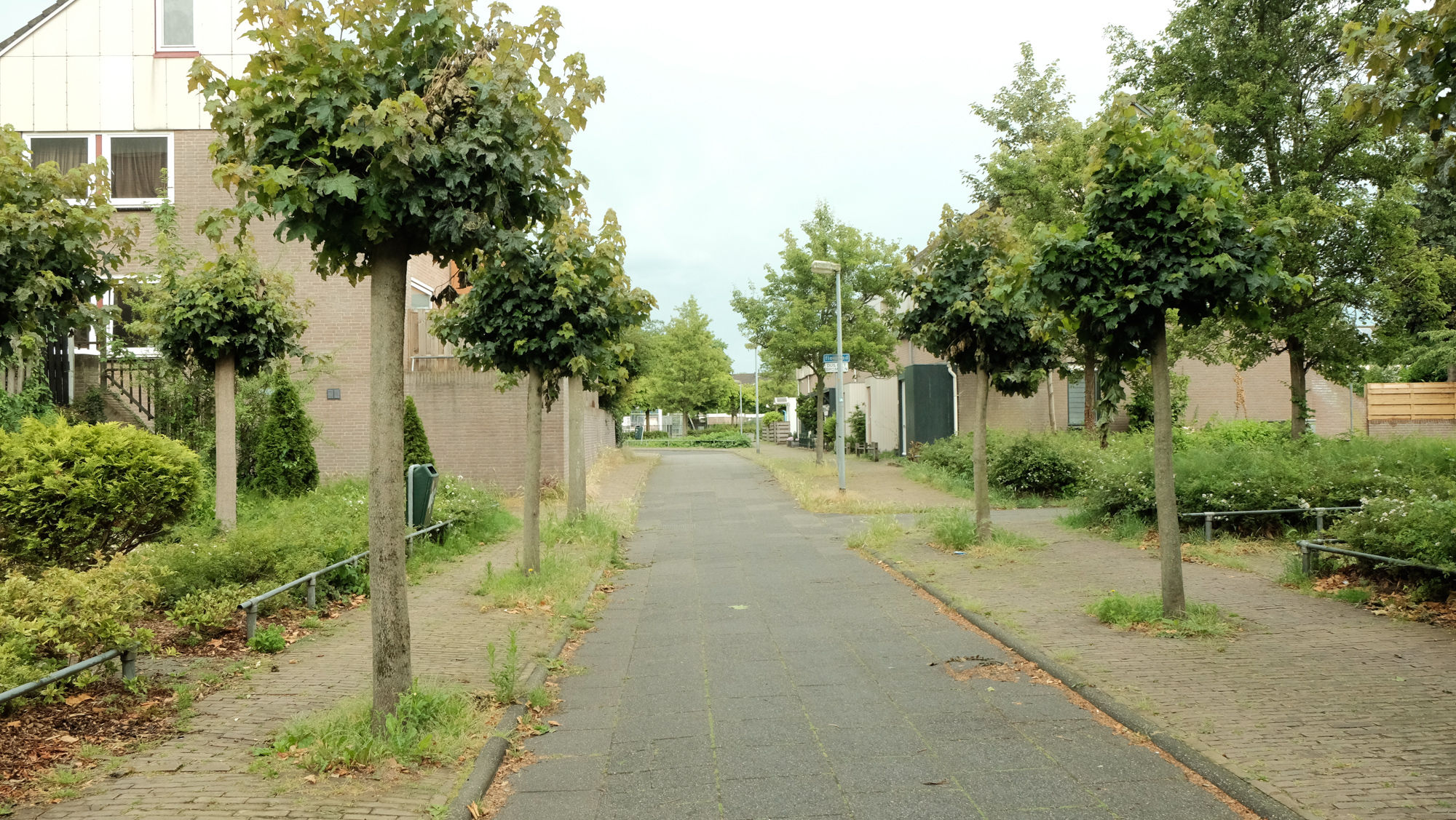
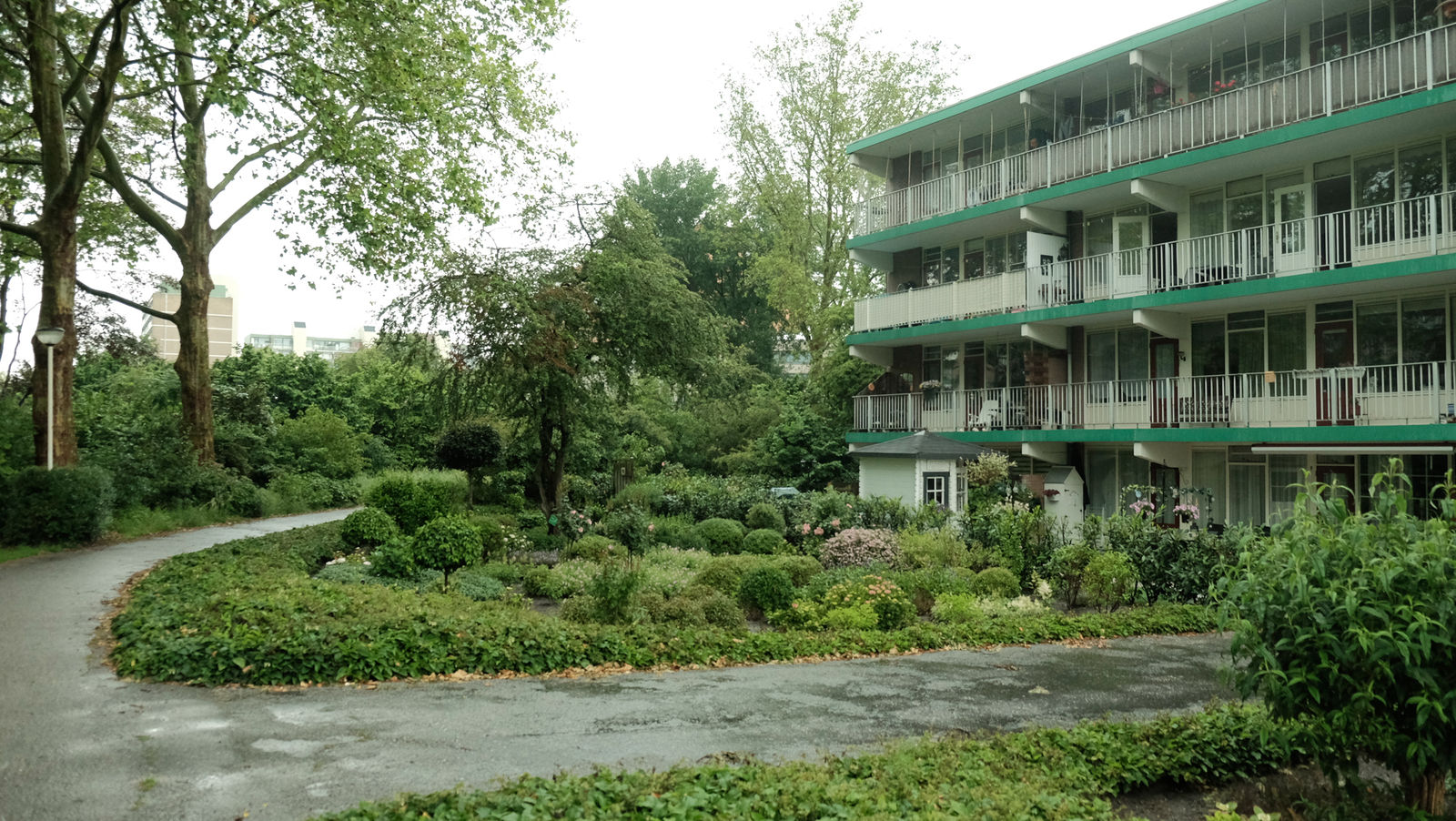
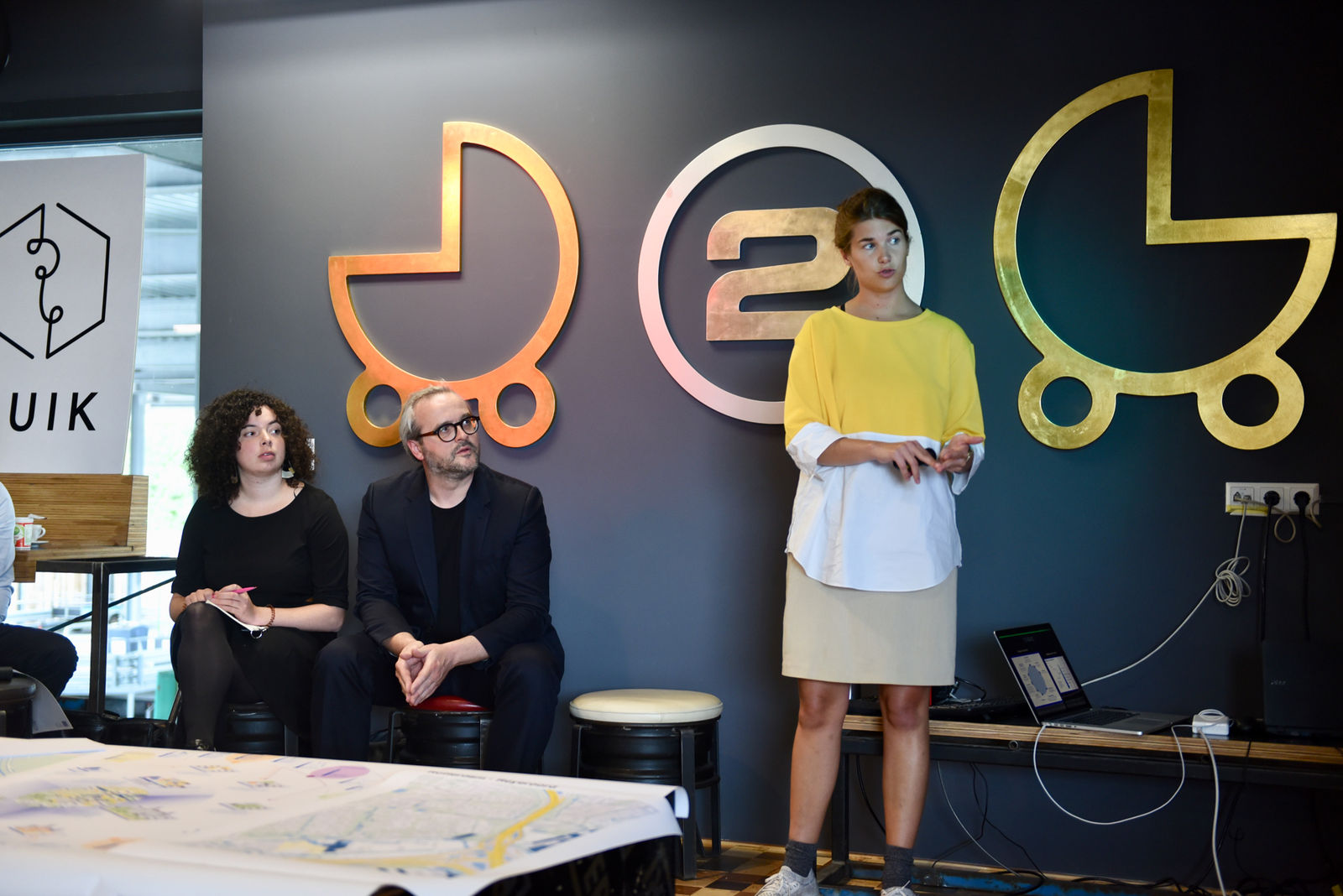
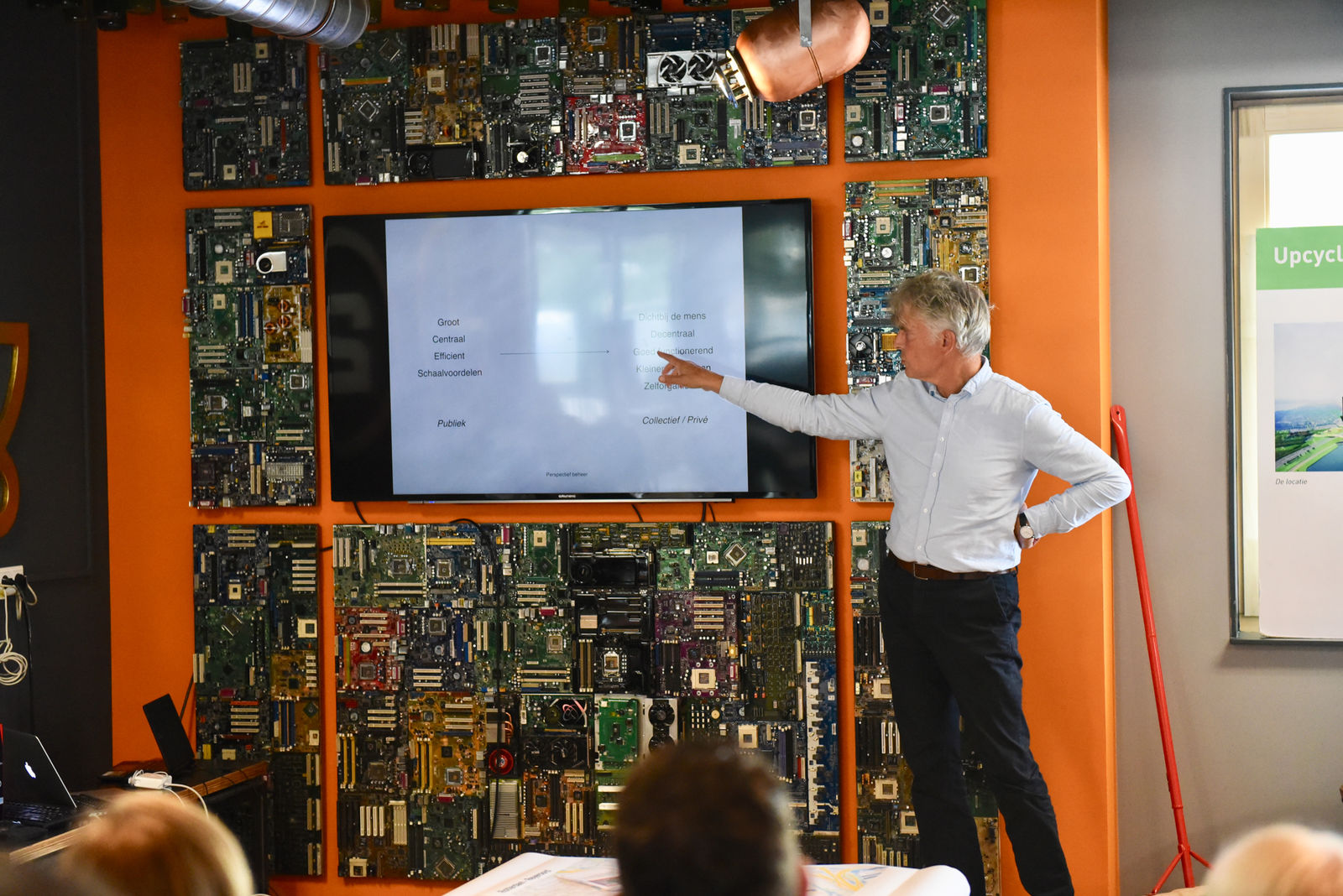
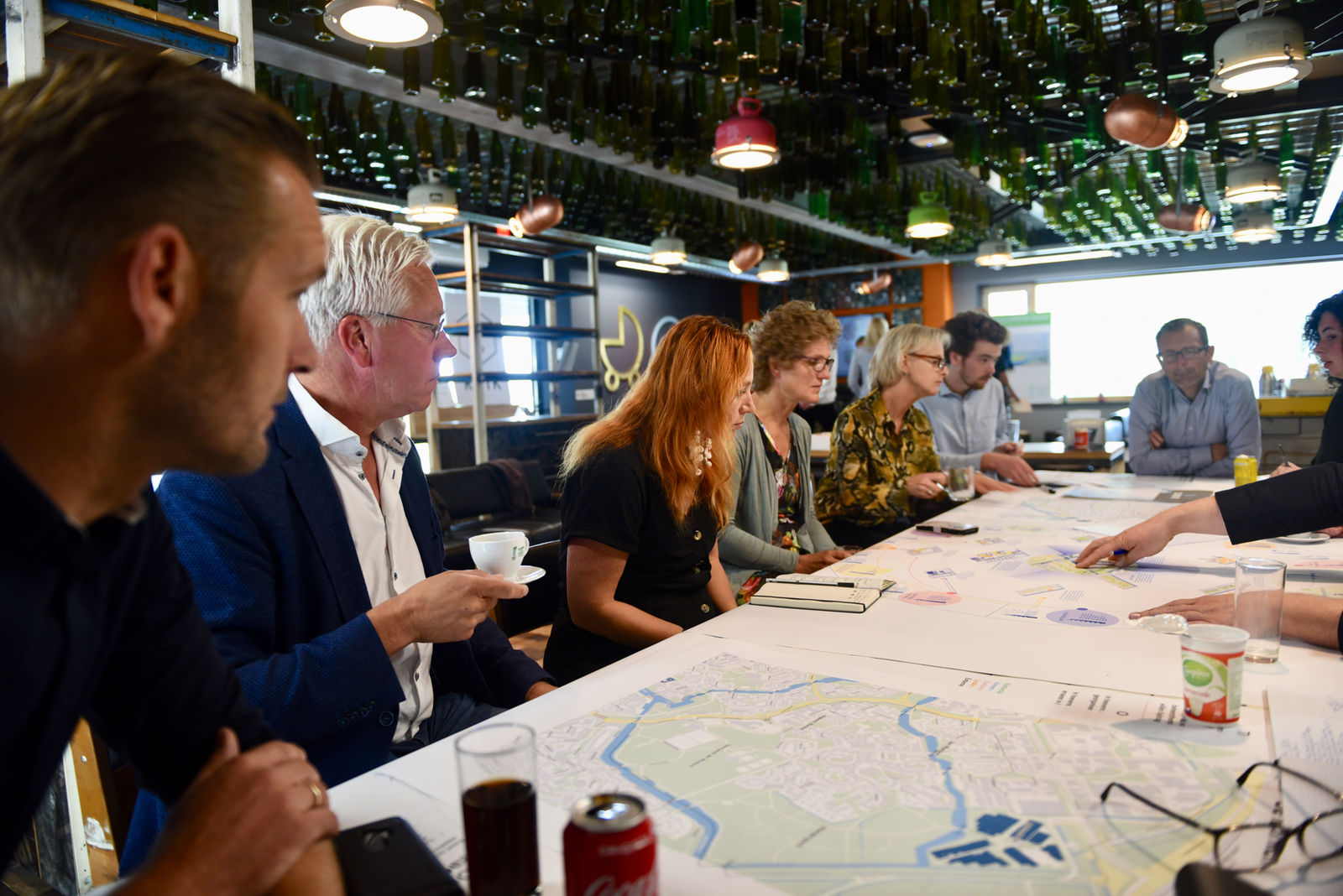
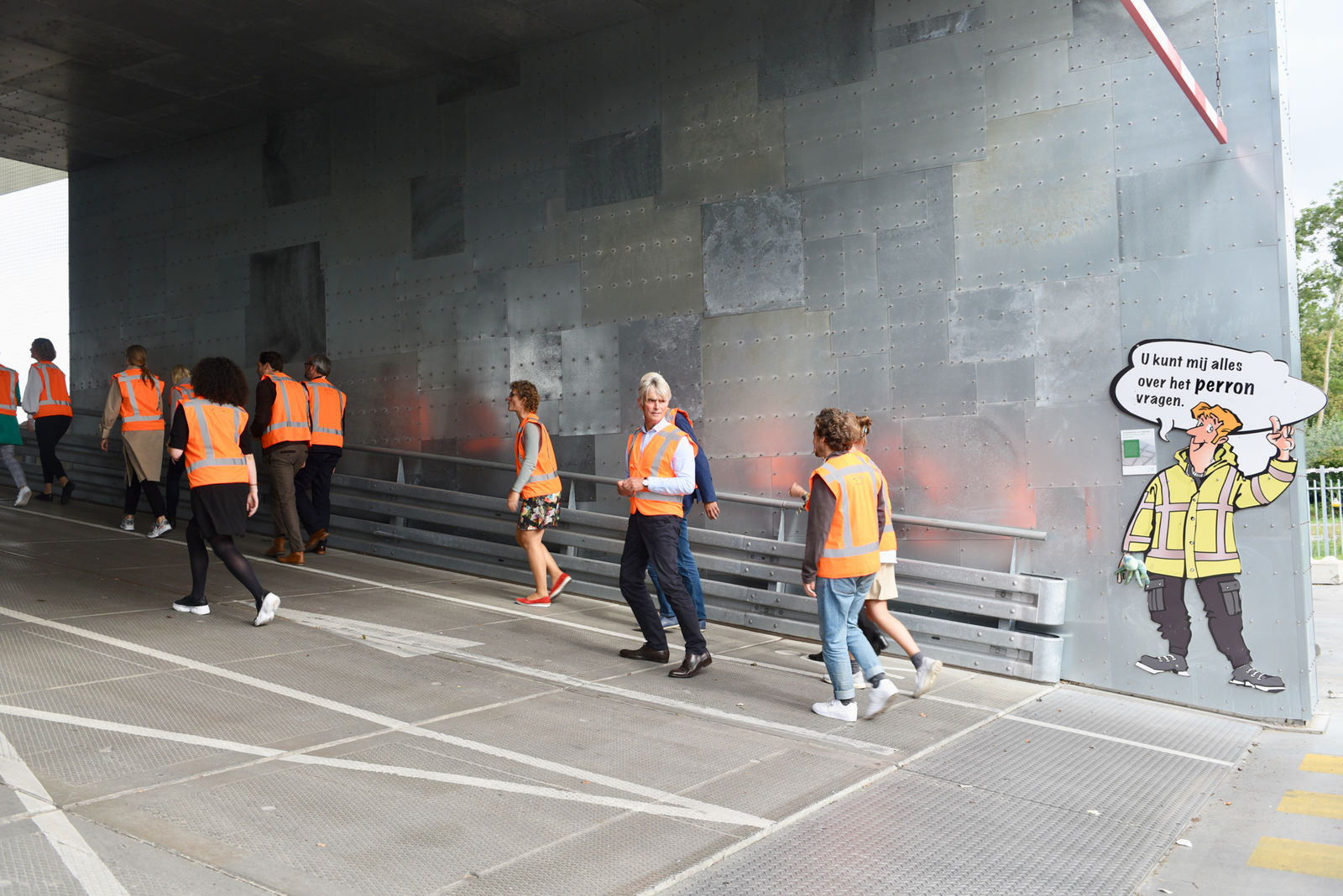
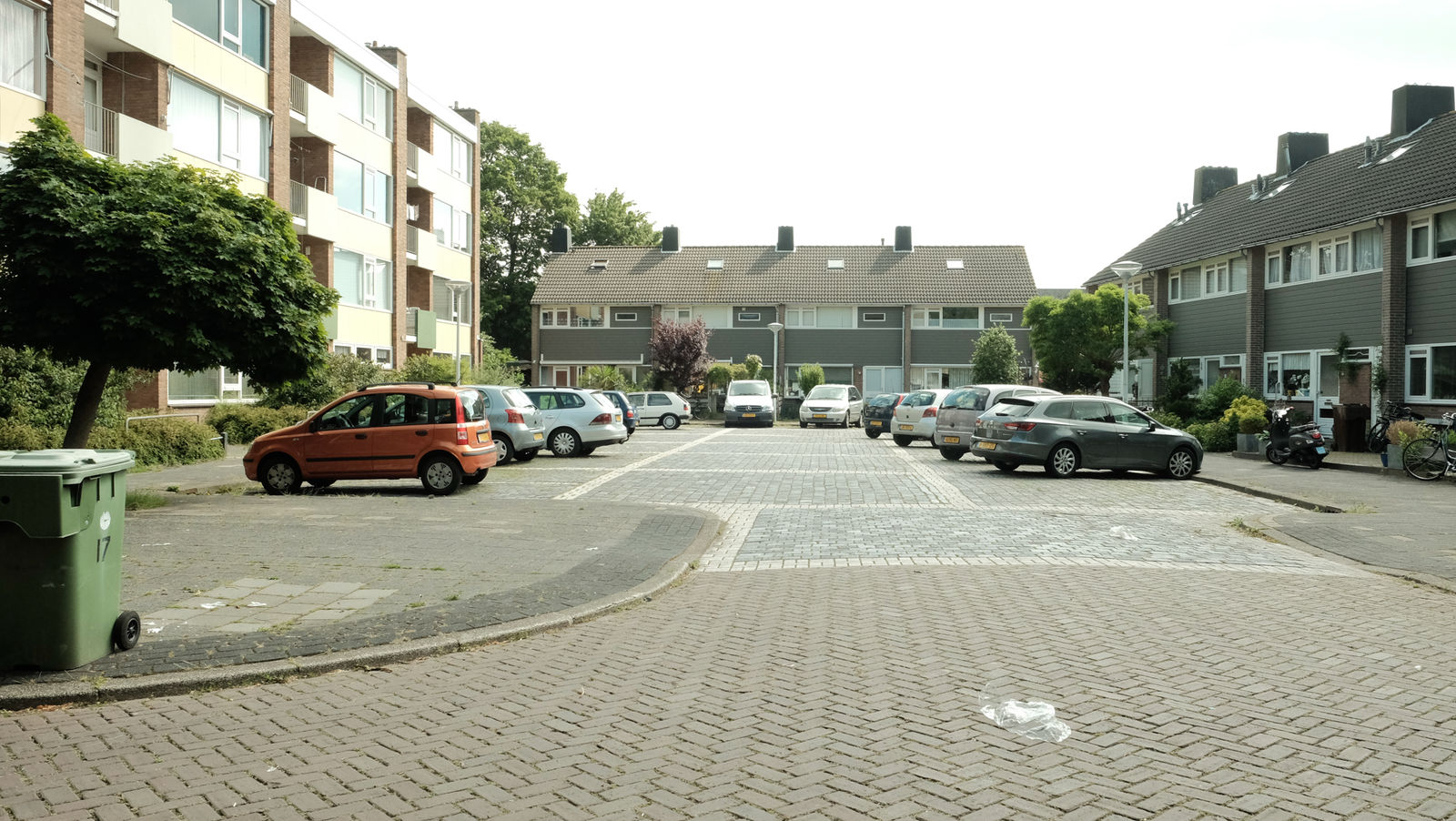
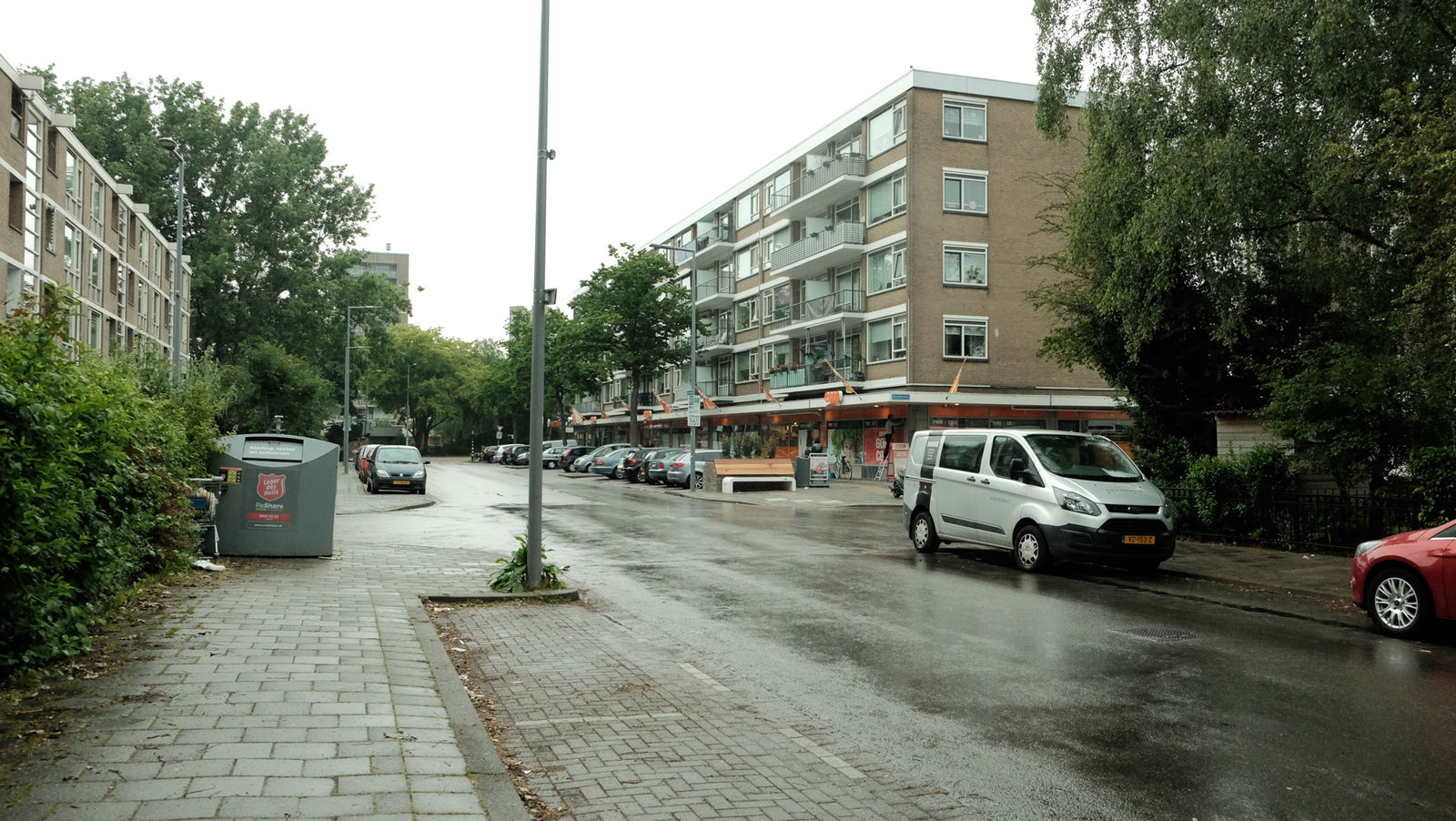
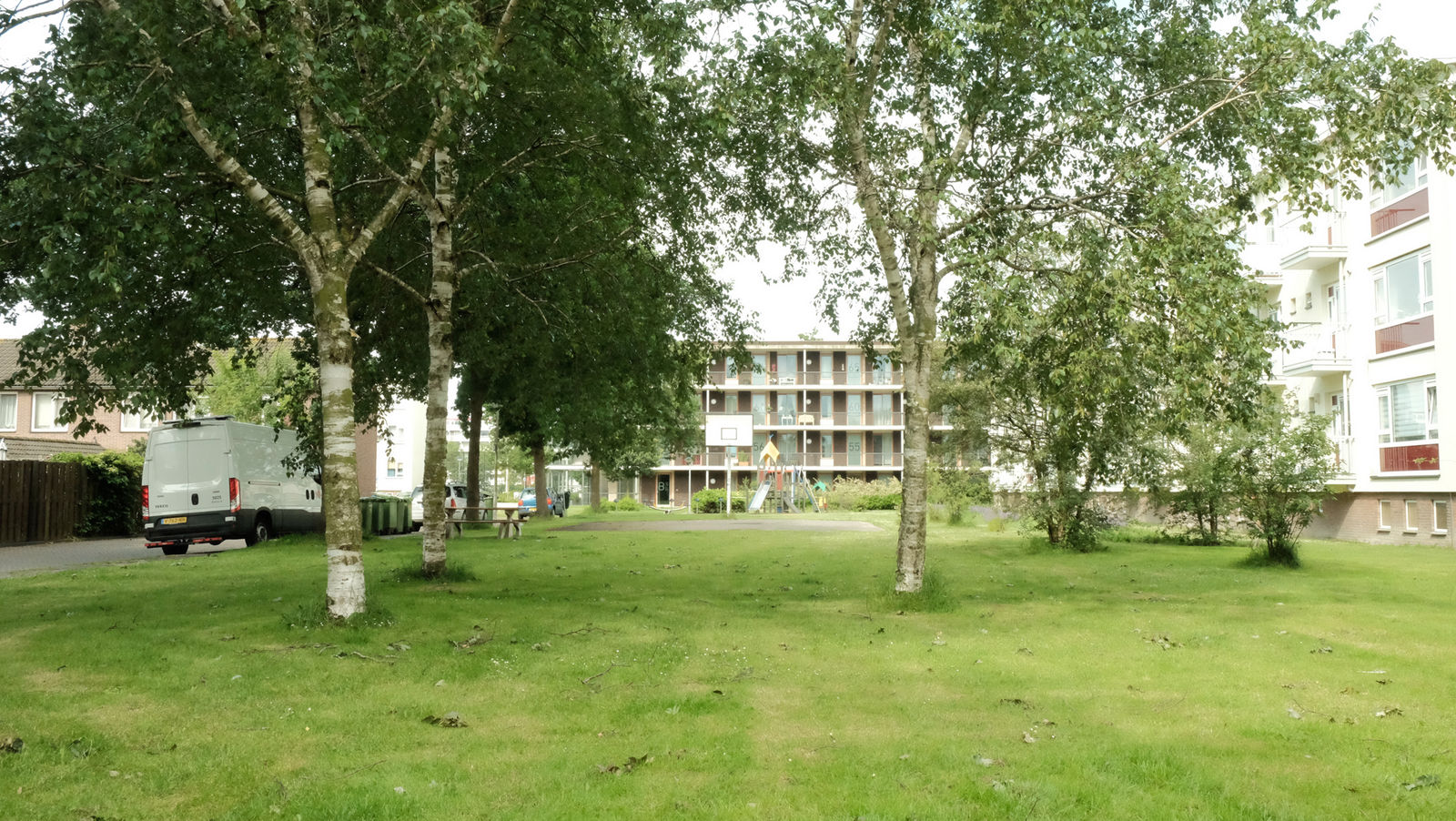
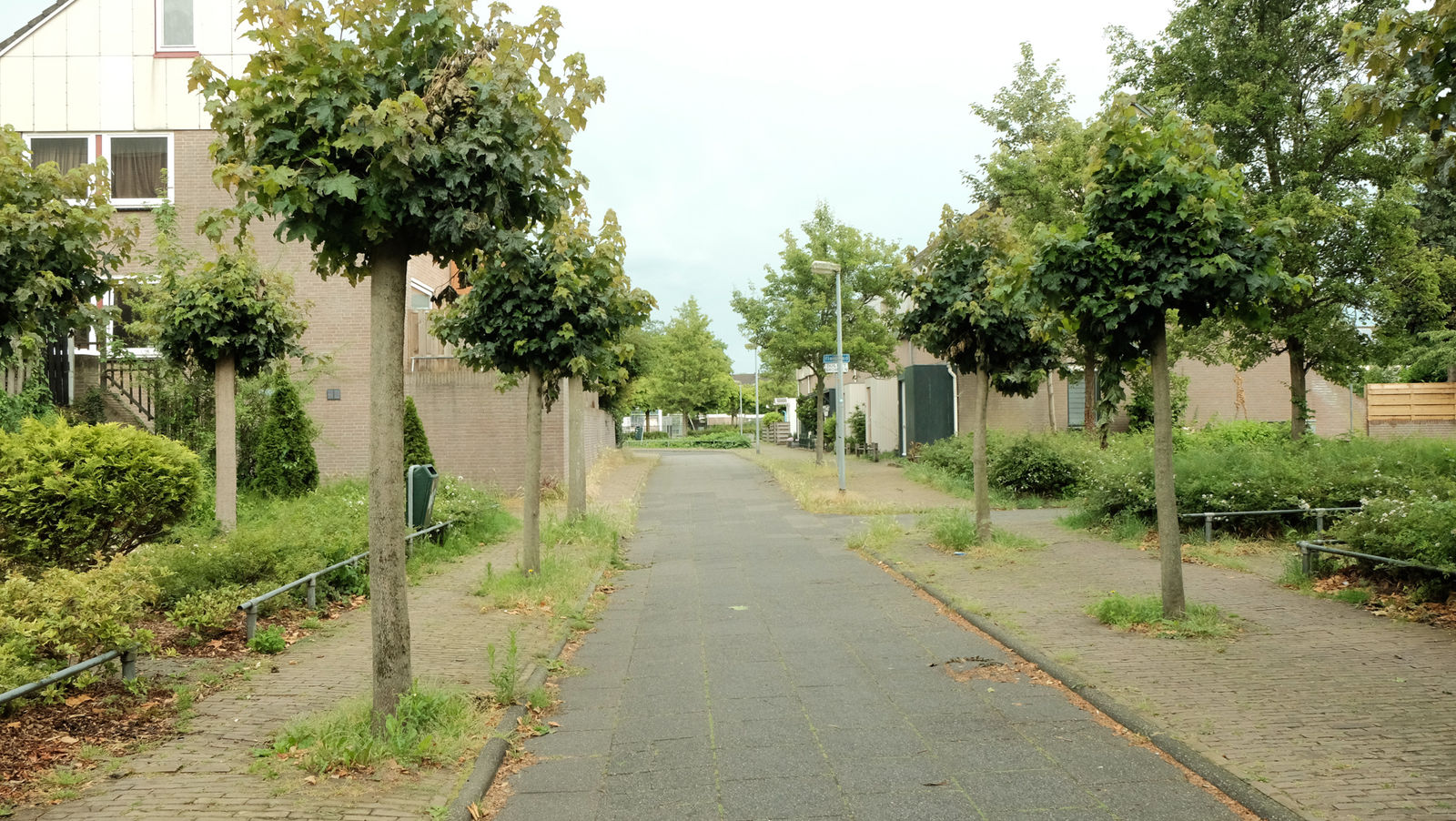
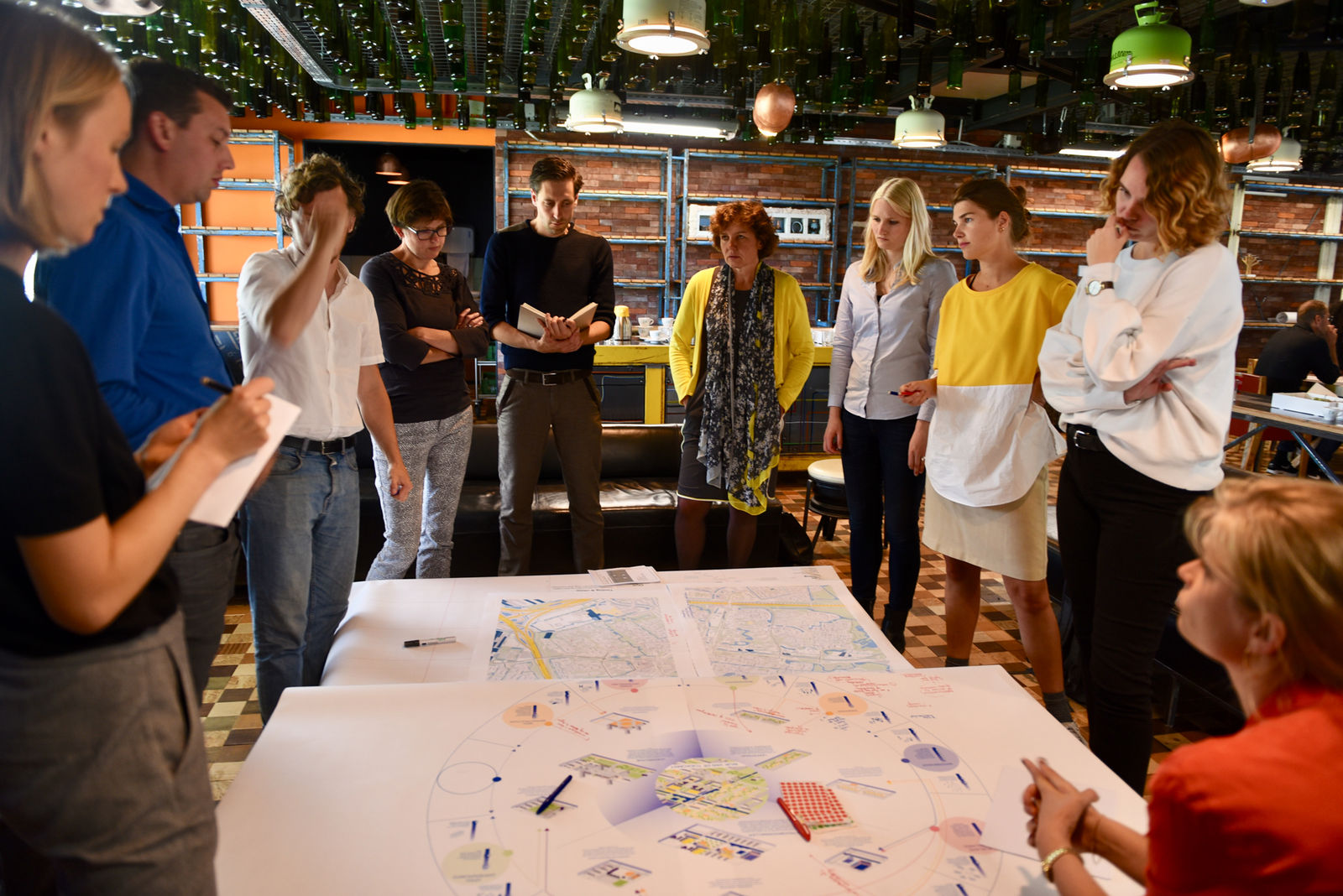
The Lead Group in Urban Management (Kopgroep Stedelijk Beheer), consisting of the municipalities of Leiden, Rotterdam, Zoetermeer and Almere, emerged from the objective of renewing the role of management, so it can help translate sustainability transitions into everyday life. Using an exploratory process AWB, in association with Endeavour, H+N+S and Jelte Boeijenga, developed ten keys to shape this new practice and build on urban management for the future.
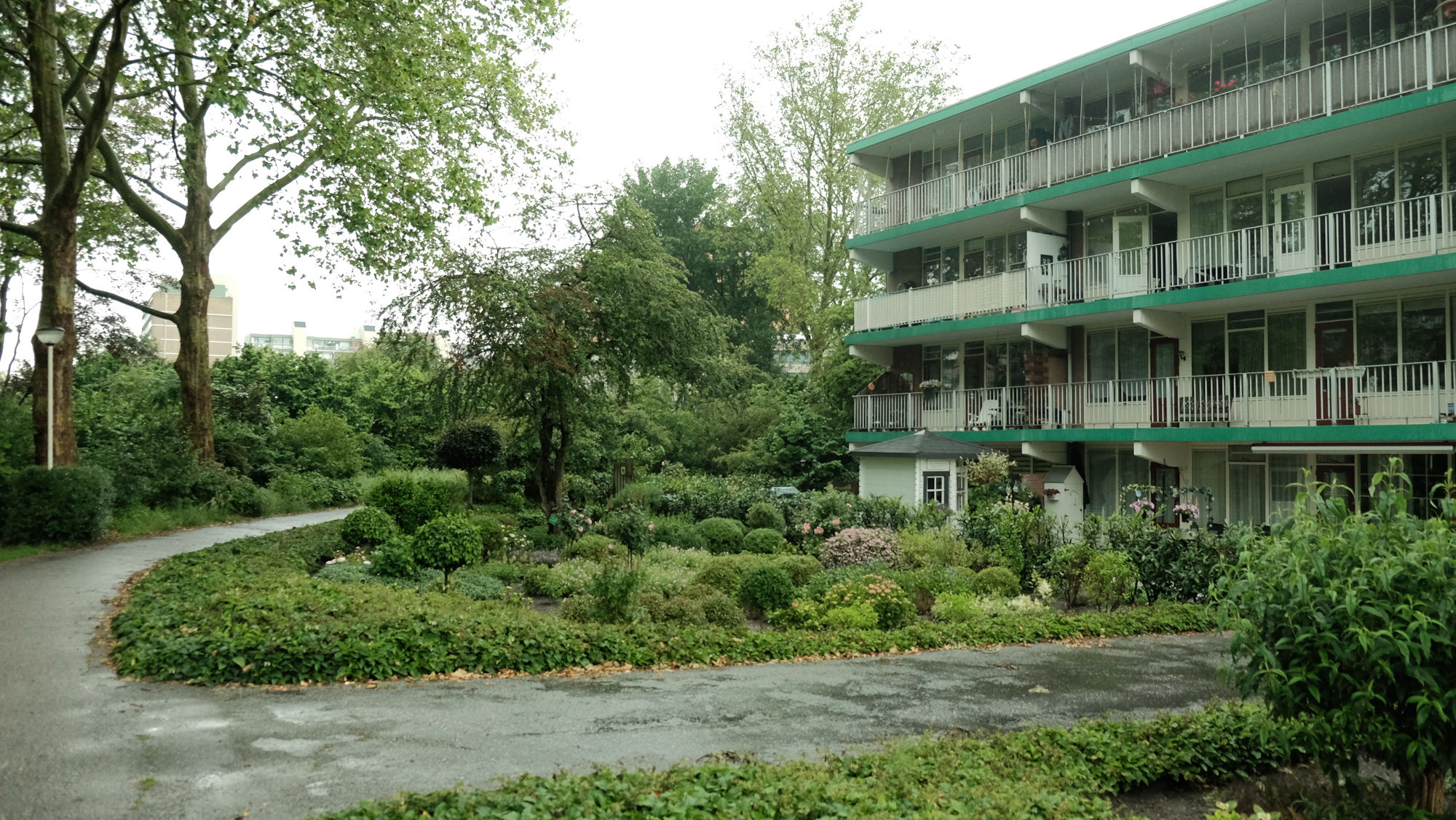
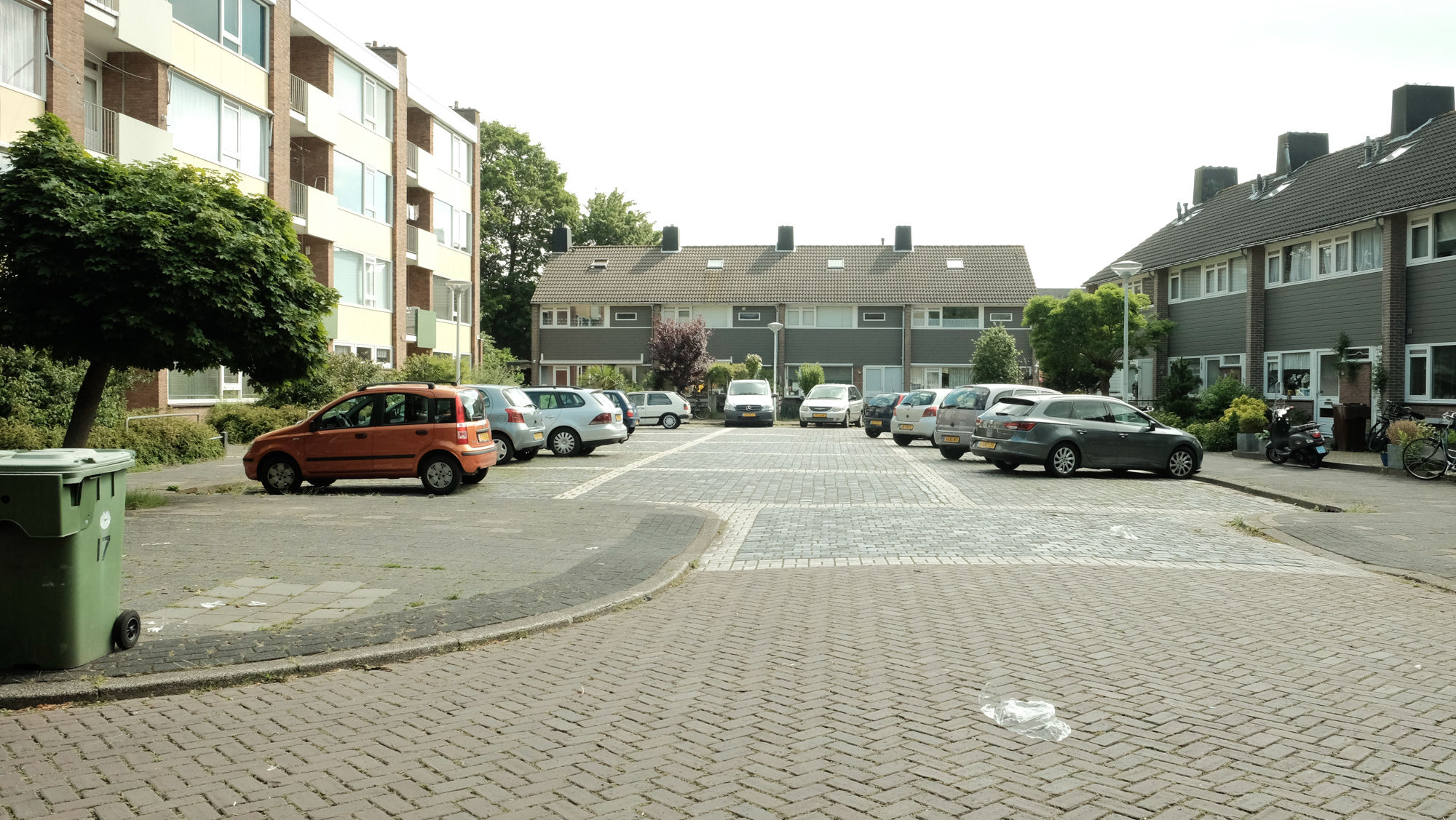
The managers are originally responsible for maintaining a qualitative living environment, above as well as below ground. For this purpose they possess transversal and implementation-oriented expertise and are present in each corner of the city on a daily basis. Therefore, the managers are ideally placed to actually achieve the different transitions, which must all play out in the public space. However, there was no systematic approach to achieve this.

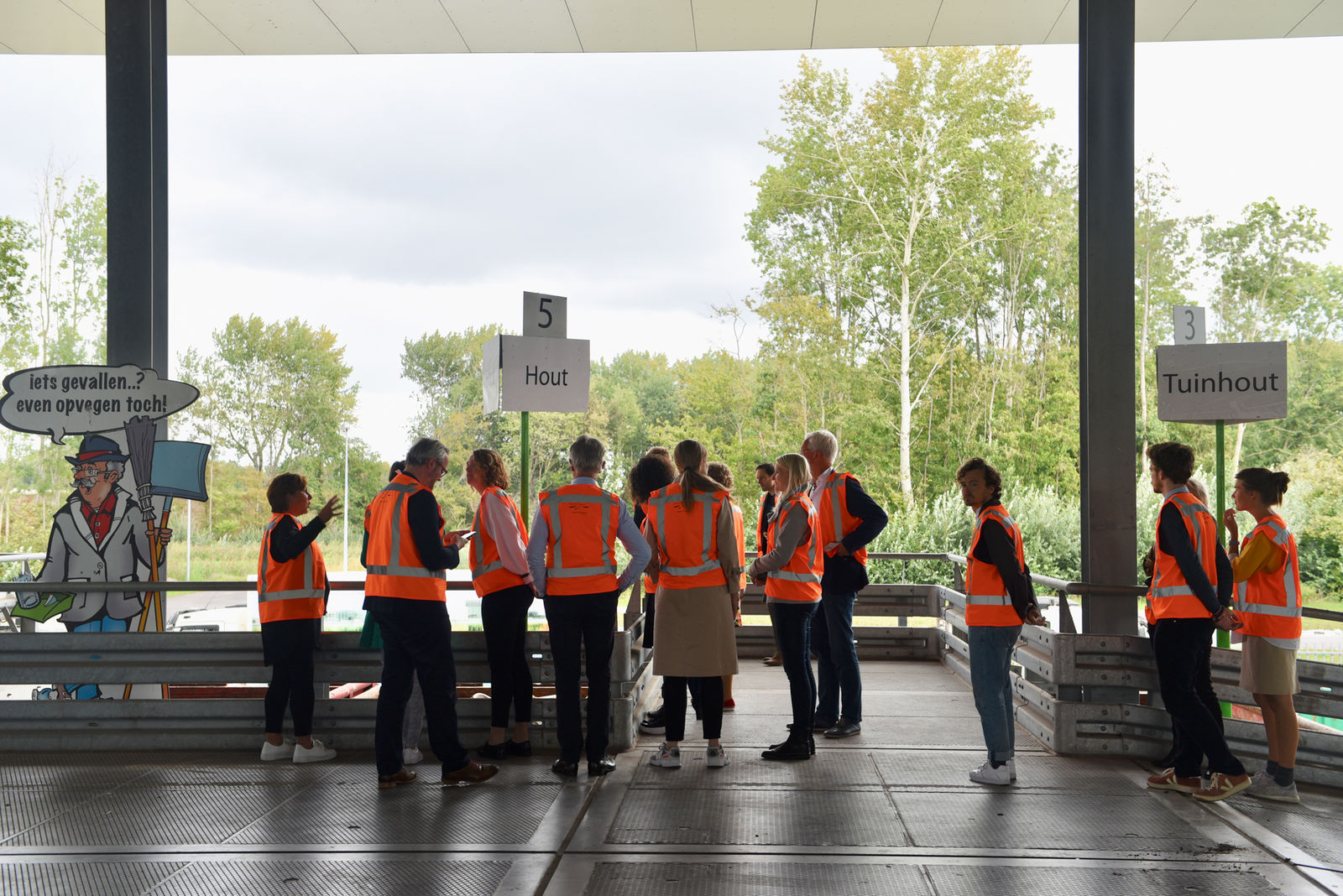
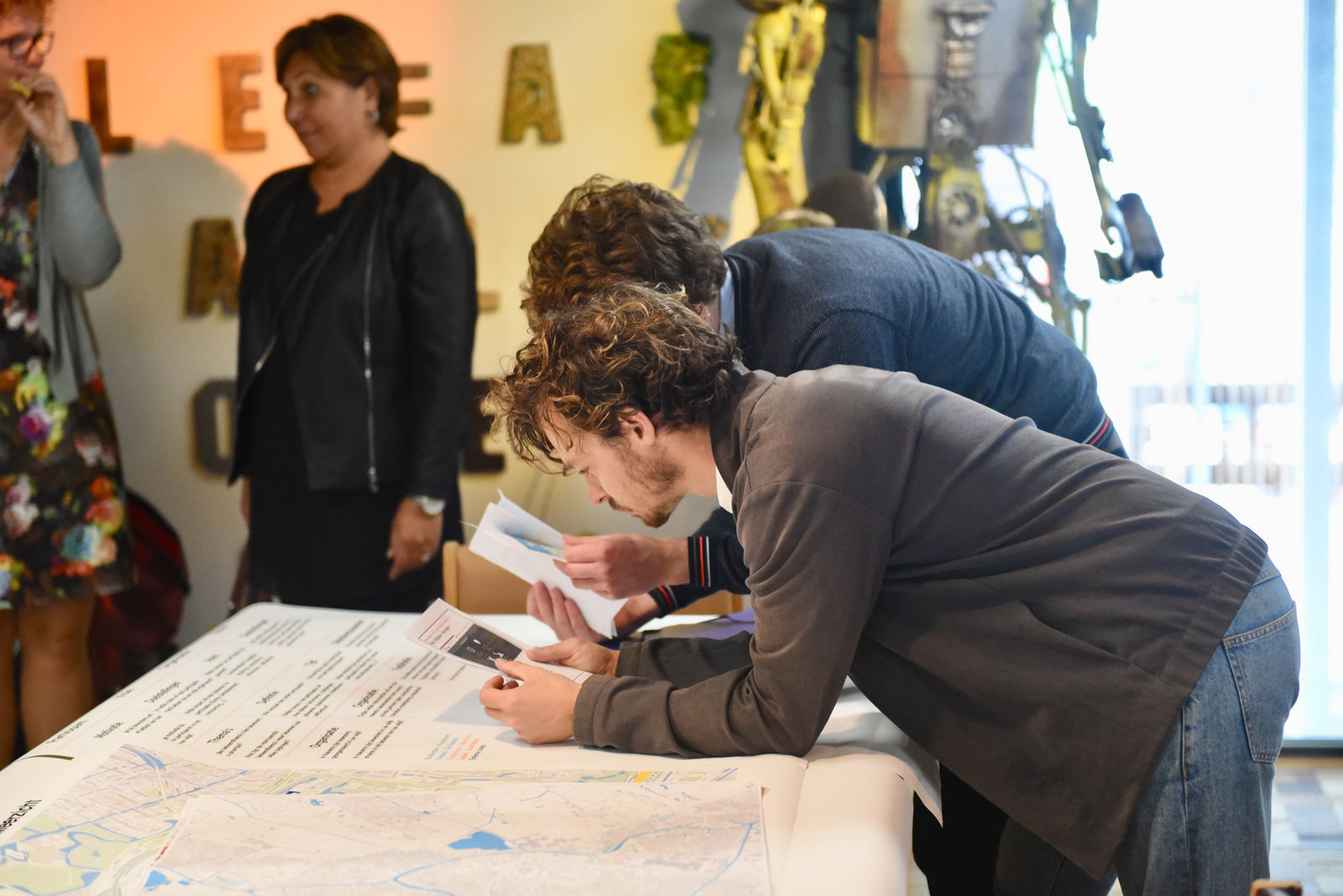
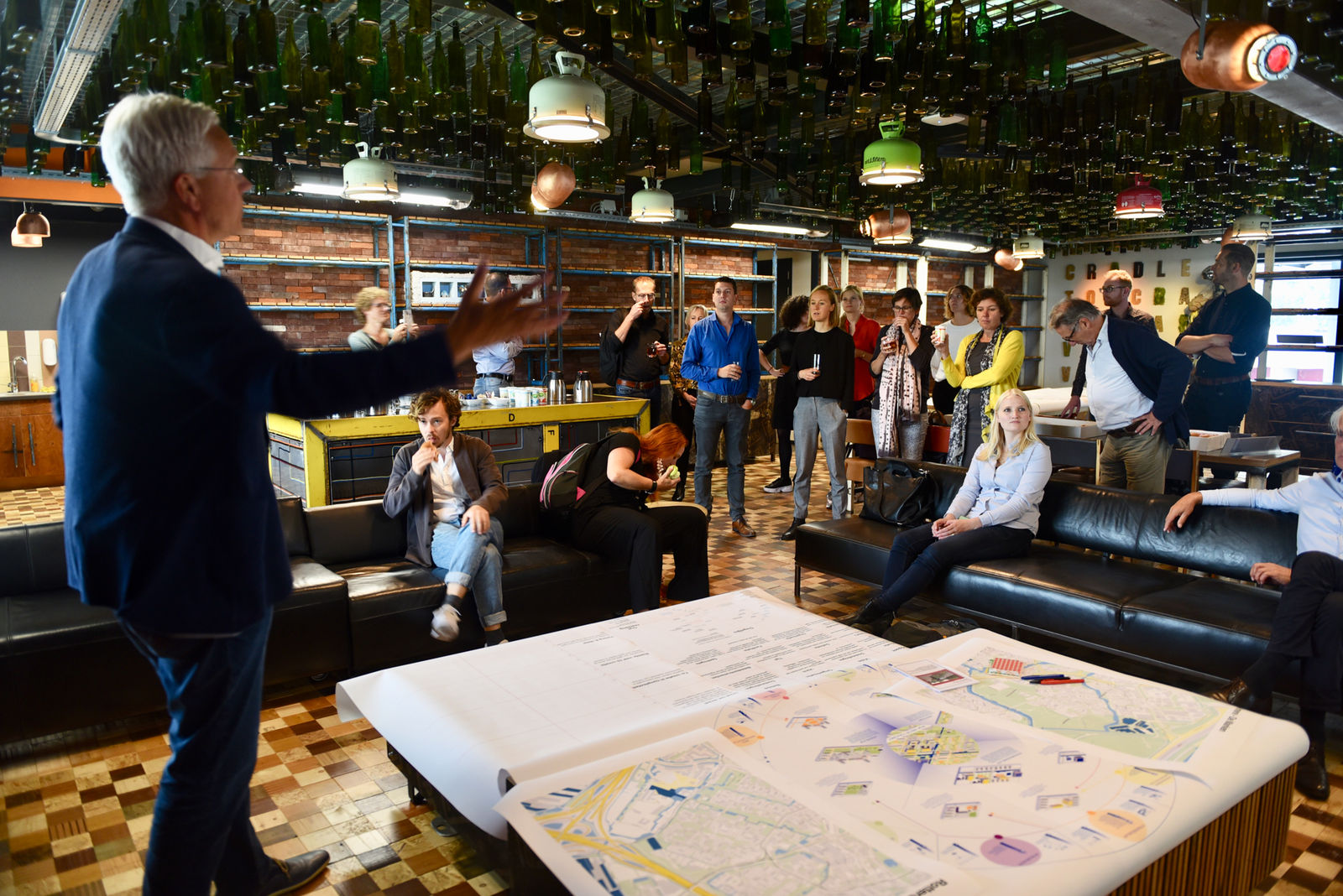
We are already seeing lots of experiments involving innovative management practices. The Lead Group is working hard on this endeavour and put forward four pilot districts to be examined, where experiments are currently being carried out. With these districts serving as the starting point the potential of management is being studied on four levels: that of the citizen, the district, the city and the business case. Ten keys were developed as a result, which can help integrate the transitions in the daily practice and create a future-proof city.

The keys are based on expanding the management role (1), the intelligent gathering of information at the urban level (2) and improved collaboration with the citizen (3) and various other partners (4), as a result of which a specific package of measures can be developed for each district (5) with innovative sub-projects, which together add up to multipliable principles (6). A comprehensive business case is essential in this regard (7), because smart integration can achieve huge cost savings. Lastly, bundling and exchanging the knowledge acquired (8) and incorporating continuous space for experimenting (9) collectively shapes a new practice (10).

In consultation with the Lead Group in Urban Management, as well as other Dutch and Flemish municipalities, regional and national authorities, knowledge institutes and utility companies, work is under way to put the lessons learned in this exploratory process into practice. 
Type: study, atelier

Year:2019-2020

Commissioning party: Lead Group in Urban Management, (Municipalities of Leiden, Rotterdam, Zoetermeer and Almere)

Partners: Endeavour, H+N+S, Jelte Boeijenga


WORKROOM

Architecture Workroom Brussels becomes
WORKROOM, House for transformation

Since 2010, Architecture Workroom Brussels has focused on the future of our living environment. The organisation began as a safe haven to address the link between space and societal transitions, aimed at fostering a futureproof design practice, commissioning and building culture.

It has now become evident that the transformation of our streets, neighbourhoods, and landscapes is both a prerequisite and a lever for achieving societal goals in synergy. Yet we observe that these transformations remain difficult to imagine and implement. They span so many sectors and involve so many actors that responsibility falls on everyone, and therefore, ultimately, on no one.

That is why we make it our mission to create the space that connects them. And with this refined mission comes a new name: WORKROOM, House for transformation. WORKROOM is the shared space where the future of our living environment is not only imagined but also organised.

We are currently taking the lead on three mission-driven transformations:

  • SOCIETAL INCUBATORS - By 2030, stakeholders from the youth, culture, sports, care and education sectors will join forces to create renewed societal spaces that tackle loneliness and counteract the fragmentation and pressure on public infrastructure.
  • FOSSIL-FREE NEIGHBOURHOODS - By 2030, at least ten neighbourhoods will be underway with the transition to fossil-free energy in an inclusive and affordable way, with a view to completely phase-out fossil fuels by 2040.
  • SPONGE LANDSCAPES - By 2030, we will have achieved our water, agriculture and nature goals through a single, coherent approach at catchment area level, in which strong regional coalitions collectively enhance the landscape's sponge capacity.

To make these transformations a reality, WORKROOM works shoulder to shoulder with pioneering designers, local authorities, organisations and businesses, governments, knowledge institutions and impact investors.

Through co-creative design, we imagine shared pathways to the future in exhibitions, publications, innovation programmes and public programmes. These are the workrooms where we connect the actors capable of realising these transformations. From there, we design shared ownership and the organisational, funding and policy models that lead to real change.

The name is simpler. The stakes are higher. WORKROOM is the shared space where we tackle the social and spatial transformations that no one can achieve alone. In an era of polarisation, compartmentalisation and instability, that is perhaps the most radical thing we can do.