
In 2020, Architecture Workroom Brussels celebrated its 10th anniversary. This was a good opportunity to look back on a decade of working on practice innovation in architecture and urbanism. In this overview, we present 11 projects, one for each year of work from 2010 to 2020. It shows the range of themes and contexts within which we have developed our expertise. Through cultural production, policy support and design research, Architecture Workroom Brussels puts new issues on the agenda of design practice, a search for a positive impact on the transformation of our living environment.
The accompanying video portraits illustrate the partnerships and forms of collaboration with designers, policymakers, experts and social actors that have helped shape our operation. Year after year, the community of practice that together makes space for accelerating social transitions grew.
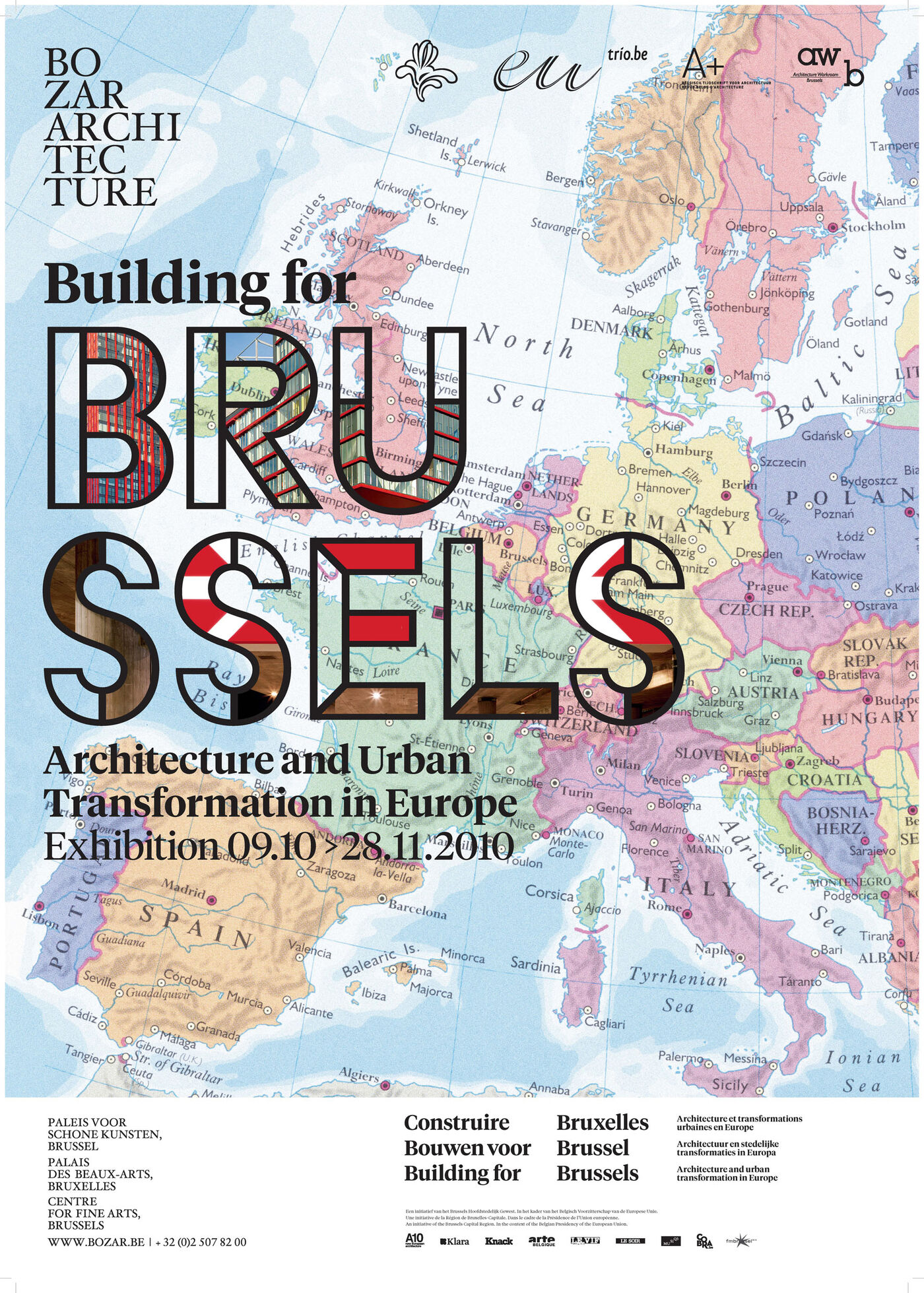
2010 - Building for Brussels
Building for Brussels breaks with the laws of the classical architectural exhibition. It doesn’t show beautiful, special or spectacular buildings that are a statement by themselves. Instead, it argues that architecture can be a lever to tackle major societal challenges (such as demographic growth, mobility, urban economy). The selection of international, innovative city projects gives you a taste of how things can be done differently and better. Or how architectural culture can provoke and inspire Brussels policy makers.
2010 - Building for Brussels
Building for Brussels breaks with the laws of the classical architectural exhibition. It doesn’t show beautiful, special or spectacular buildings that are a statement by themselves. Instead, it argues that architecture can be a lever to tackle major societal challenges (such as demographic growth, mobility, urban economy). The selection of international, innovative city projects gives you a taste of how things can be done differently and better. Or how architectural culture can provoke and inspire Brussels policy makers.
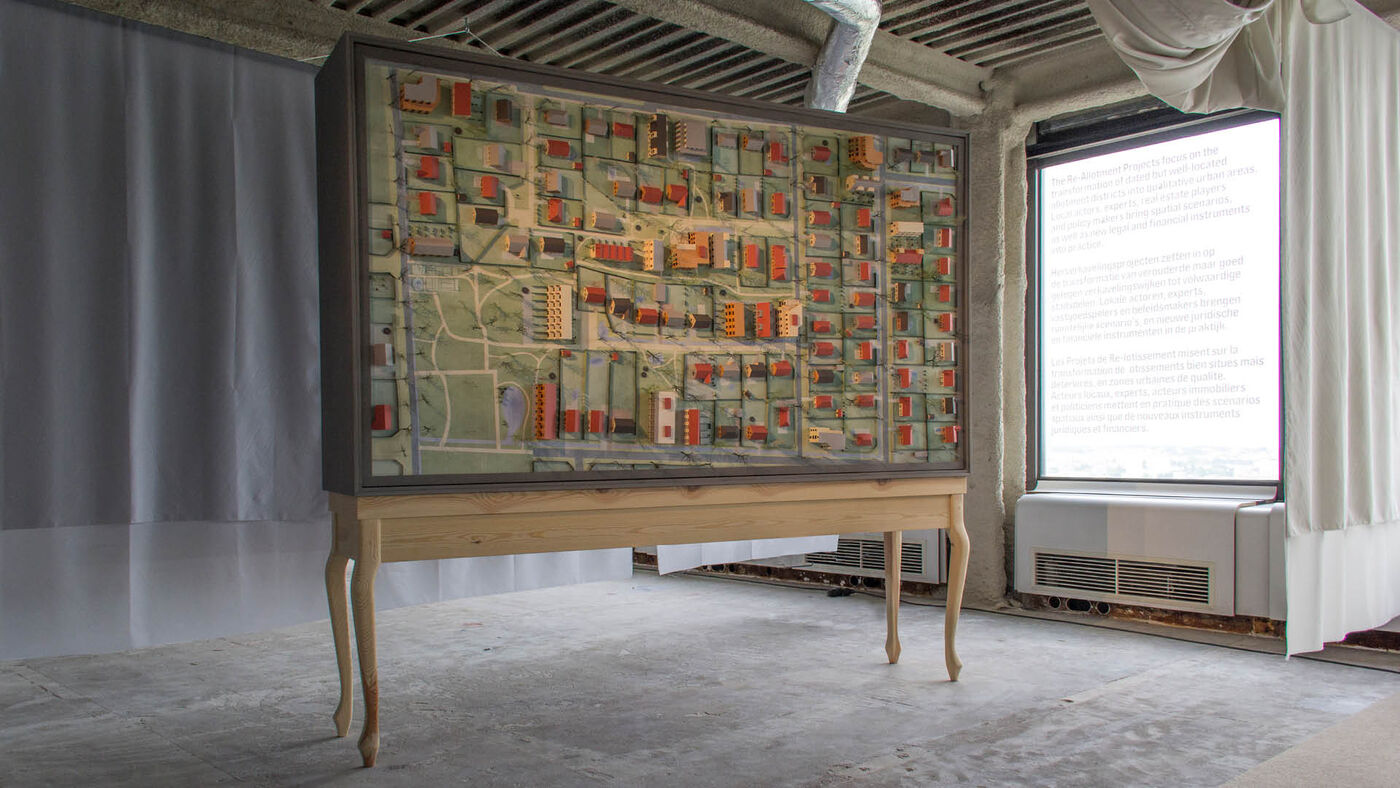
2011: Towards visionary housing production
The Visionaire Woningbouw Study (Visionary housing production study) is not about exemplary housing projects, which, as an exception, merely confirm the rule. The housing issue in all its complexity is central. What is needed to counter the spatial fragmentation of Flanders? How do we bring collectivity and urbanity back into living? What does living look like in the future? Insights from the study continue to live on, including in initiatives of the Vlaamse Bouwmeester, such as the Pilot Projects Collective Housing or the transformation of well-located allotment neighbourhoods.
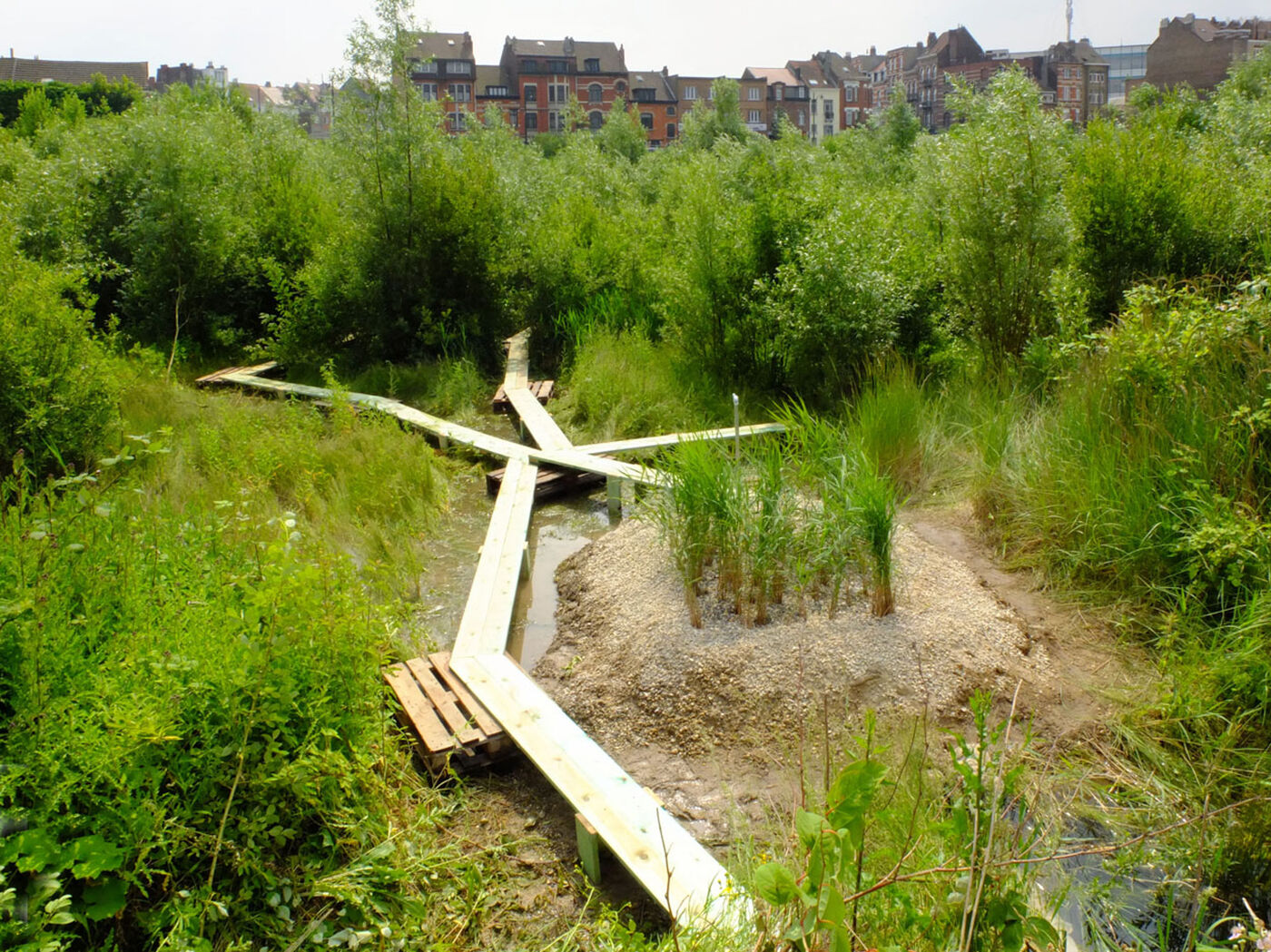
2012: Parckdesign — GARDEN
Parckdesign 2012 radically reassesses what we can understand by a park. It is so much more than a traditional park or other forms of cultivated nature. Urban wastelands are central to this outdoor event. Bits of the city where nature, not man rules. A series of artistic interventions show the value these kinds of places have to offer, both for the city as an ecosystem and for local residents.
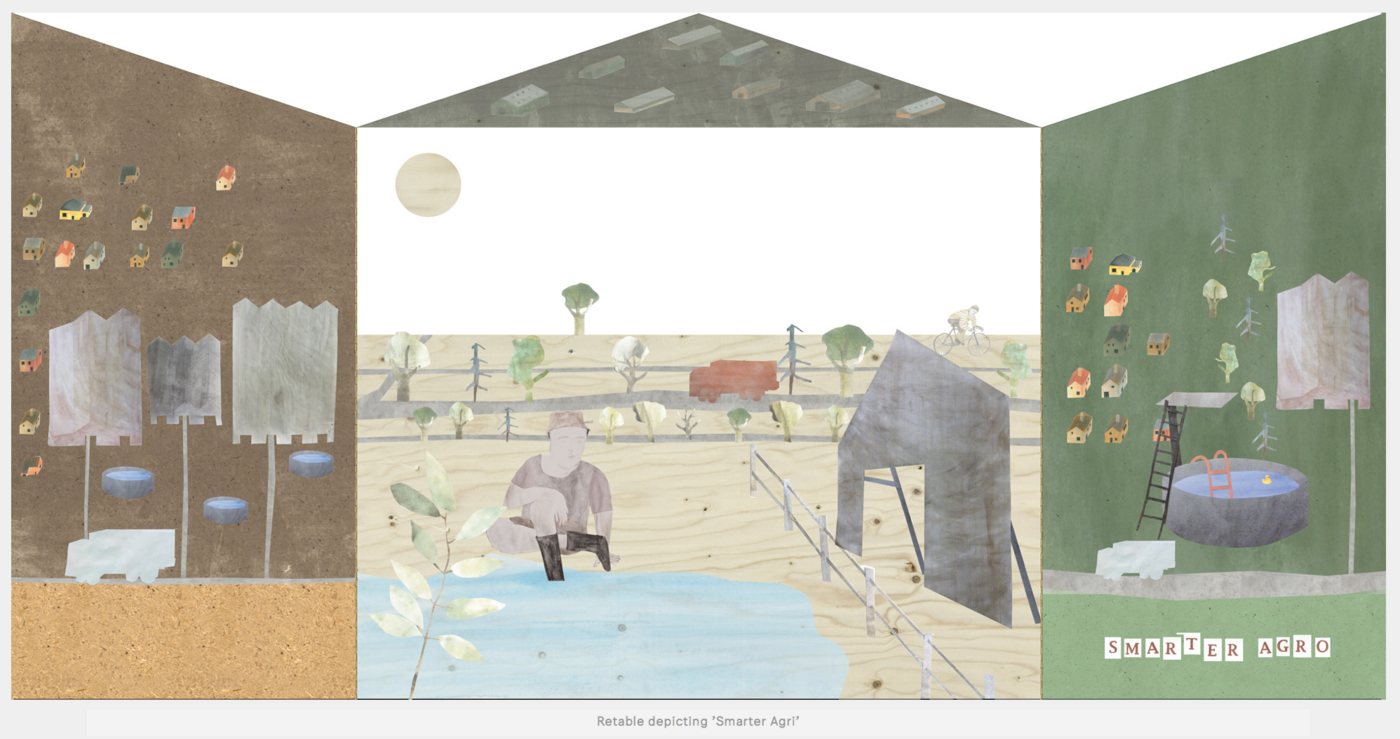
2013: Open Space Platform
The Open Space Platform originated from a joint quest as to how we can better deal with open space in the future. Not as the residual space of an urbanized landscape, but as a lever for sustainable development. The Flemish Land Agency took the initiative here, with a stimulating outlook of the future to celebrate 25 years of land use. Six reredos depict the future of open space. This formed the start of what has since grown into a widely supported social platform operation.
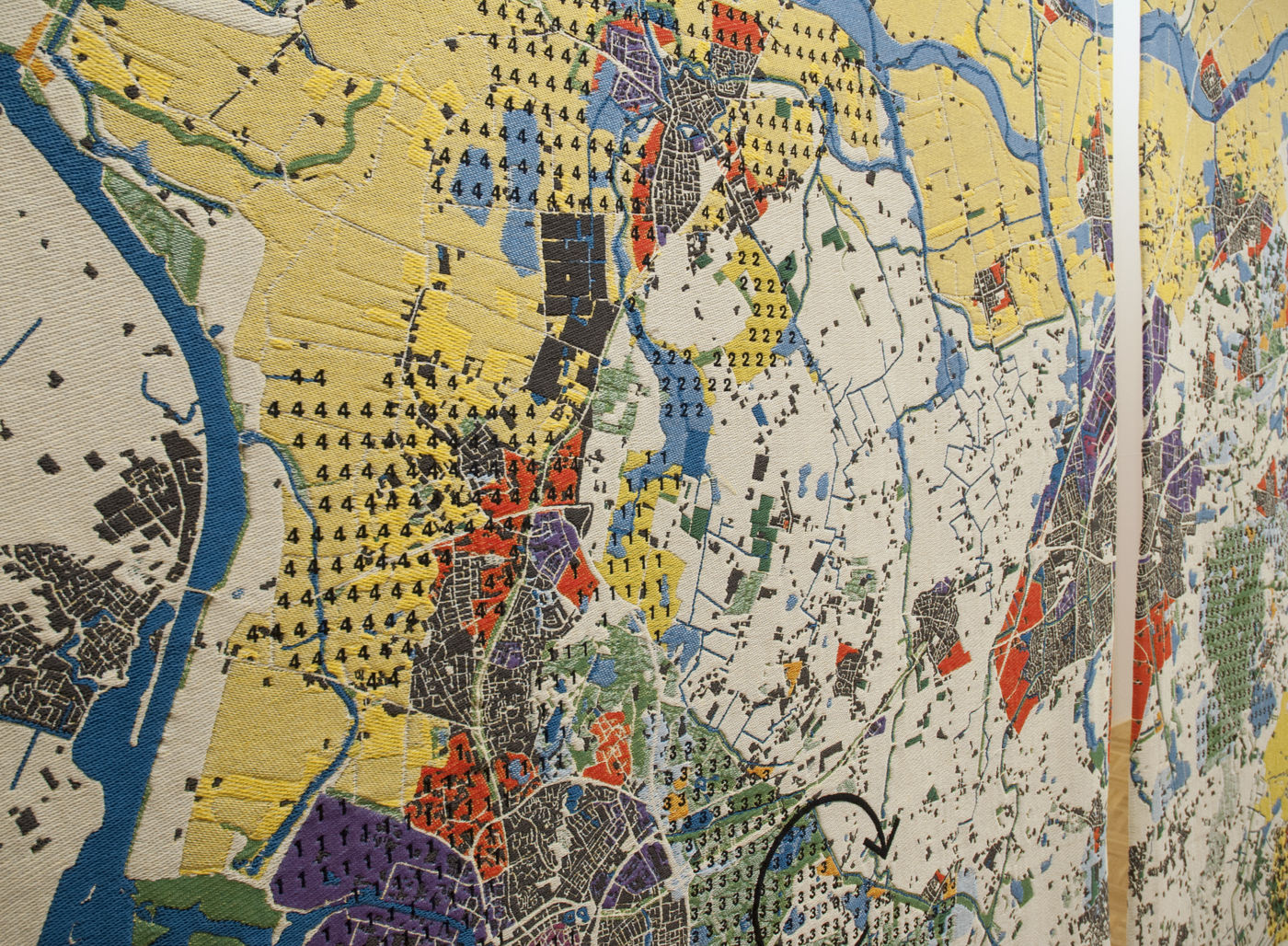
2014: Atelier Brabantstad
Atelier Brabantstad is part of the International Architecture Biennale Rotterdam of 2014, which is all about Urban by Nature. The Atelier makes us look at the city with different eyes: no longer as an independent environment, but as part of a wider urban landscape. Suddenly, the space that connects cities takes centre stage. This space appears as a richly varied urban carpet, in which keys are hidden to work on the future of the urban landscape.
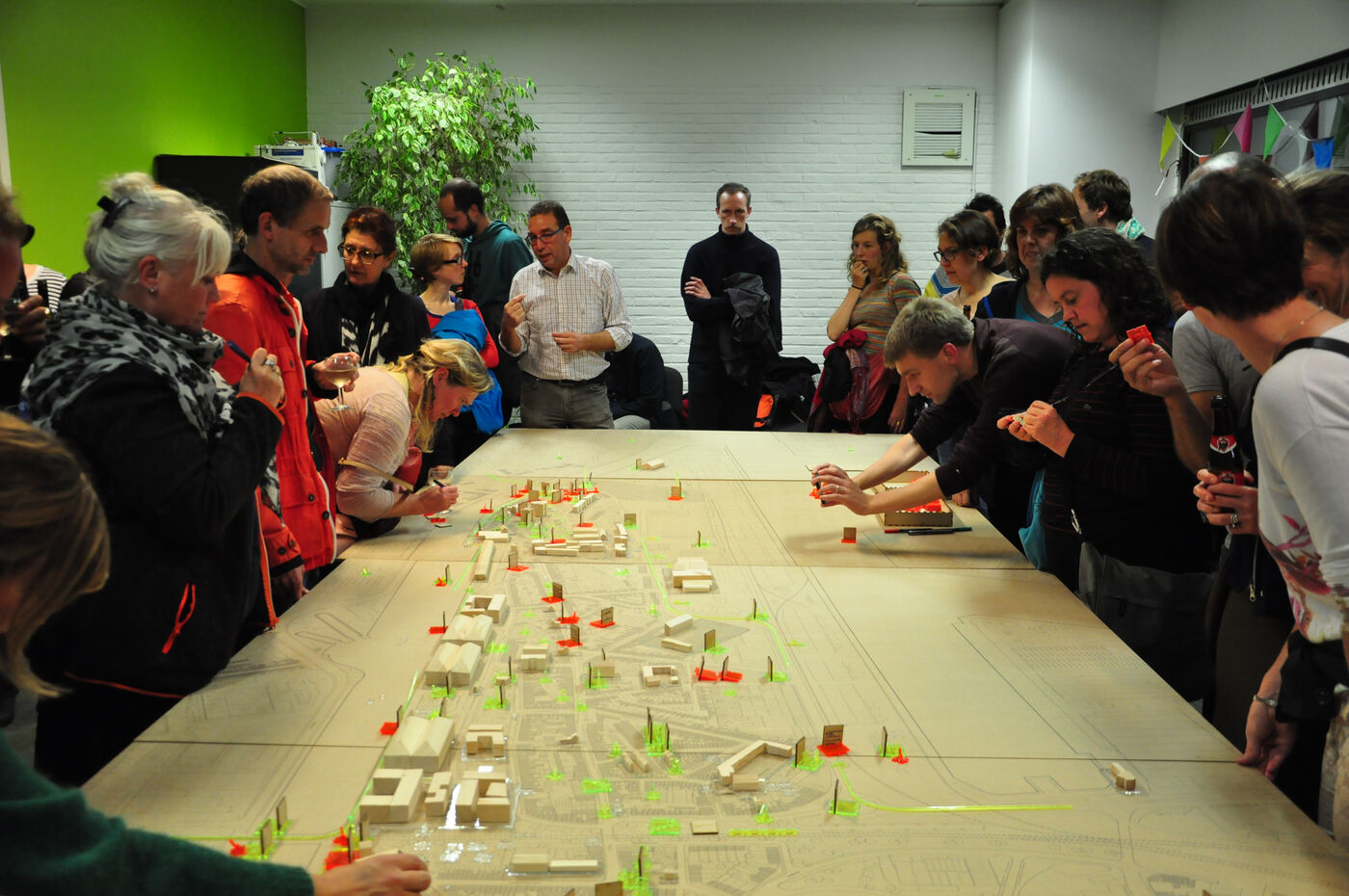
2015: Gent Muide Meulestede
Citizens who themselves take the initiative to work on their neighbourhood. It seems like a beautiful intention, which unfortunately is rarely realized in practice. Muide Meulestede proves this to be possible! Residents are the driving force behind a broad-based participatory design process in which the future of the neighbourhood is central. They drew up a shared agenda and made concrete action plans for better mobility, affordable housing, local economy and climate. New coalitions of citizens, entrepreneurs, associations and city services continue their endeavours to actually realize these ambitions and actions.
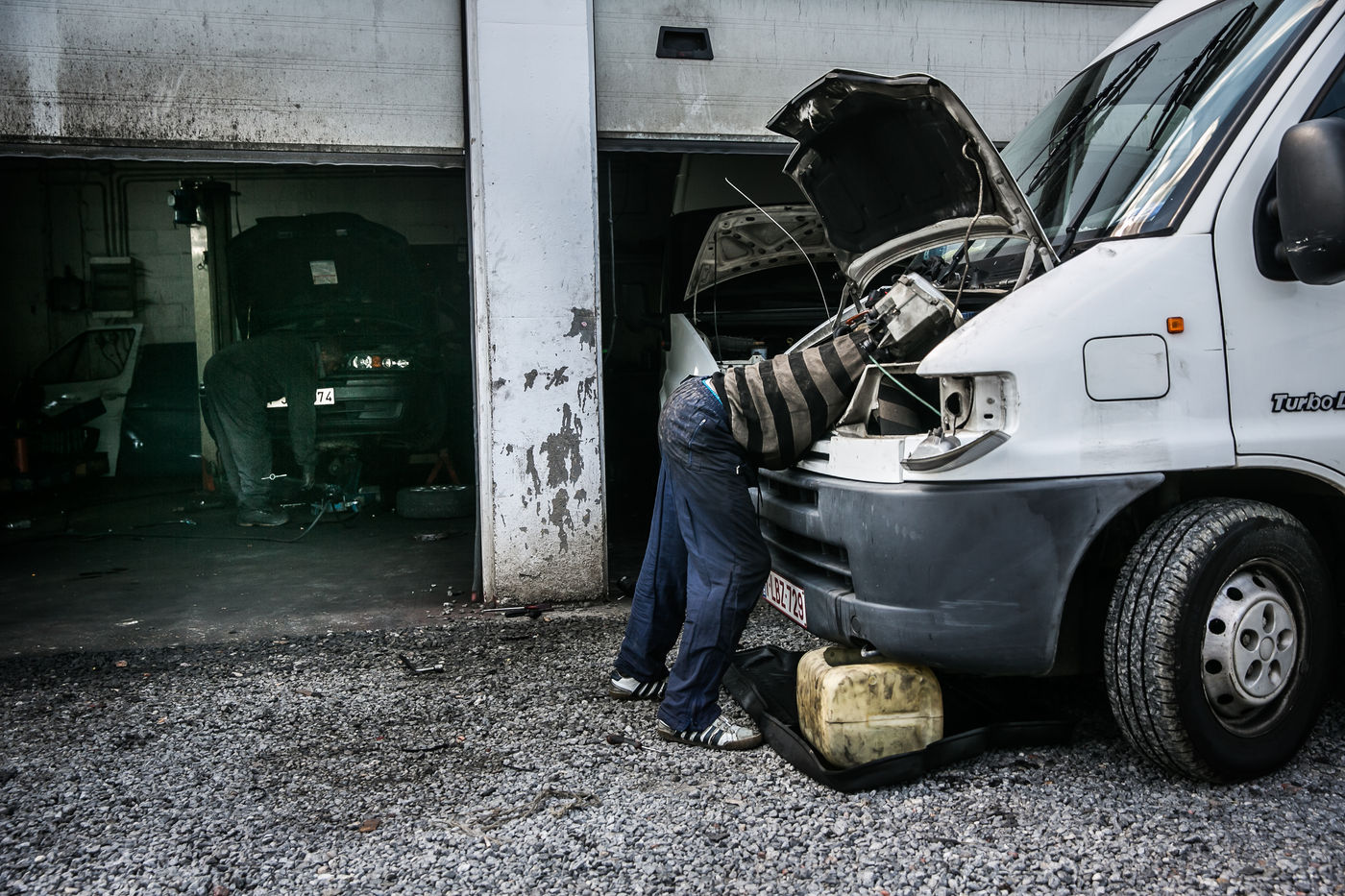
2016: Atelier Brussels – Productive Metropolis
The productive economy is invisibly present in the urban fabric of Brussels. It is hidden in warehouses, workshops and all kinds of other industrial spaces. The productive economy has long been an unwanted economy. The urban development projects of the past decades have pushed industry to the outskirts of the city, in favour of new housing and a "clean" service economy. And that while the city benefits from more job opportunities for the low-skilled, and from a more local, sustainable and circular economy. ‘Atelier Brussel: de productieve metropool’ (the productive metropolis) uses the imagination of design research to demonstrate the opportunities productive activities can offer the city, its inhabitants and a changing economy.
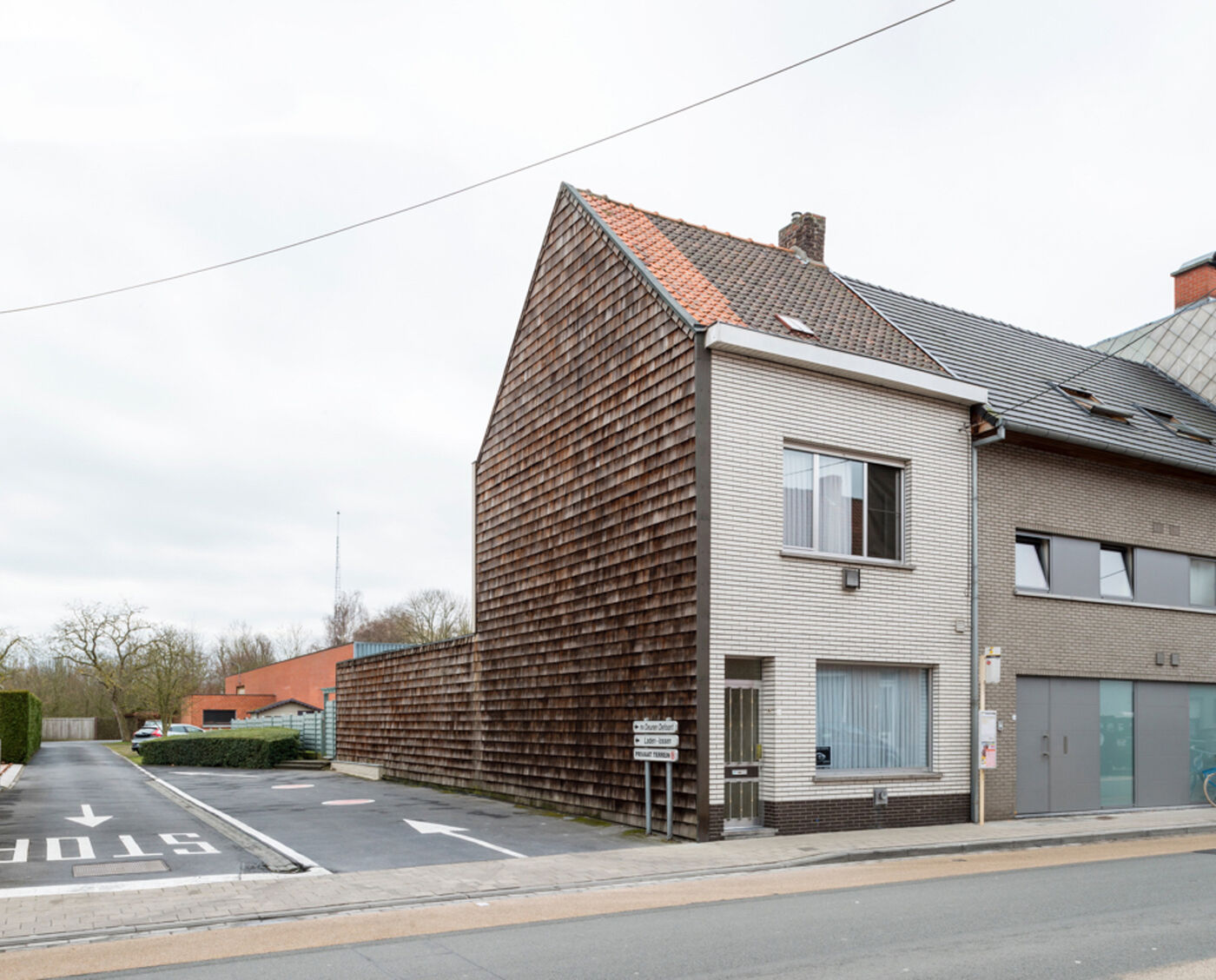
2017: Kortrijk 2025
As far as urban renewal is concerned, Kortrijk has long been known as one of the best students in the class. Nevertheless, the city is struggling with a stagnating population growth, while currently houses are steadily being built and open spaces still being taken over. Kortrijk decided to convert the need into a virtue, and opted for a radical upgrade of the existing urban fabric. The urban development of the grandiose - with large-scale infrastructure projects - is no longer central. It is an 'urban development of the everyday', with a lot of attention for the improvement of the daily living and working environment of the Kortrijk residents. Hundreds of residents debated with each other for a year and drew a bold vision for the future of their city.
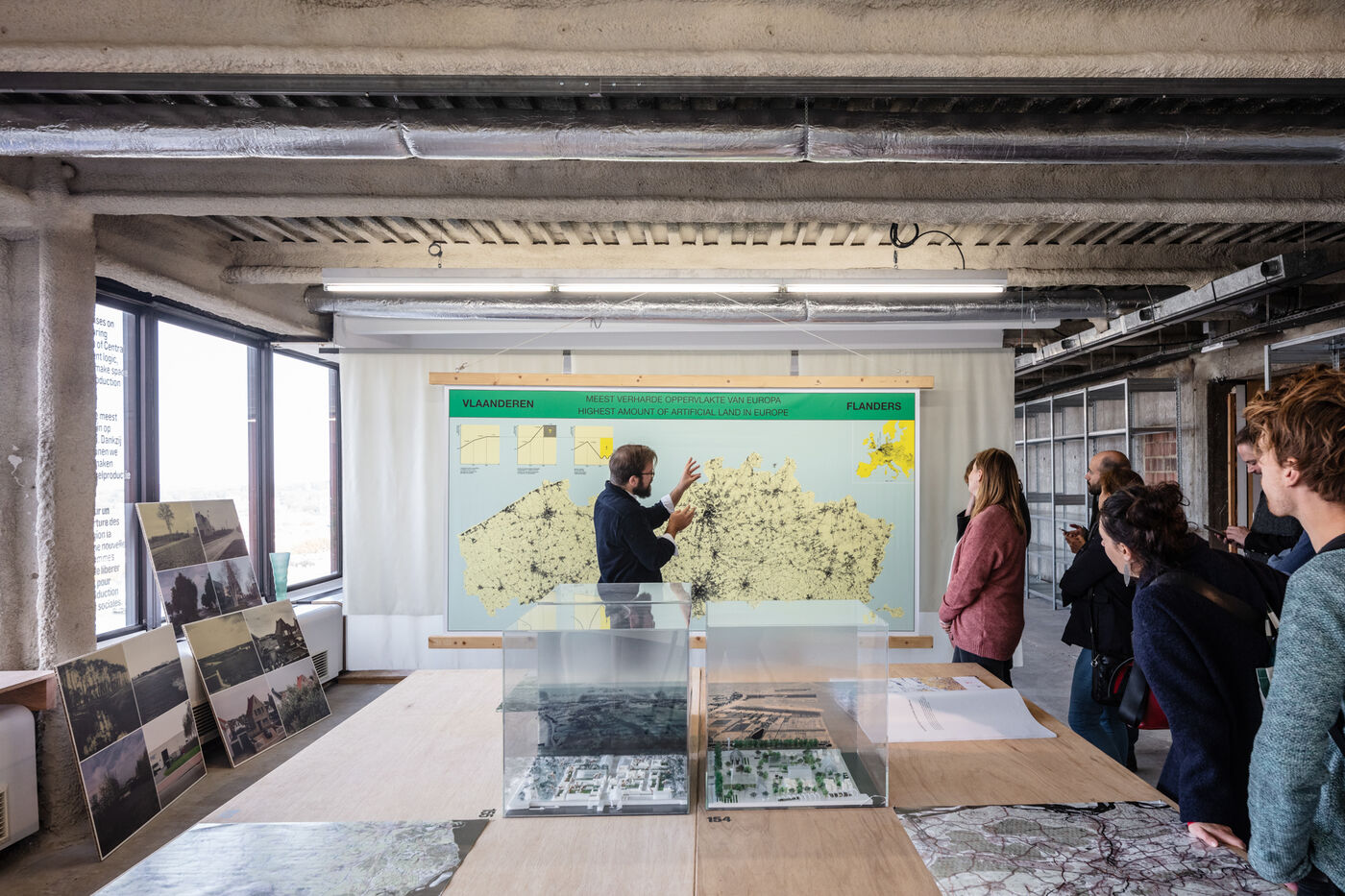
2018: You Are Here - Pilot Projects Desealing
The International Architecture Biennale became the reason to rename the WTC I tower in Brussels' Noordwijk from a World Trade Center into a World Transformation Center. Artists, students, architects and many others temporarily occupy the office tower, which symbolizes the megalomania of twentieth-century consumptionism. Paradoxically, this place temporarily transforms into a new epicenter to develop concrete actions for a new and sustainable future. Among other things, the 'Proeftuinen Ontharding’ (Unsealing Testing Grounds) project, a transition program aimed at removing concrete, asphalt and buildings, sees the light of day here.
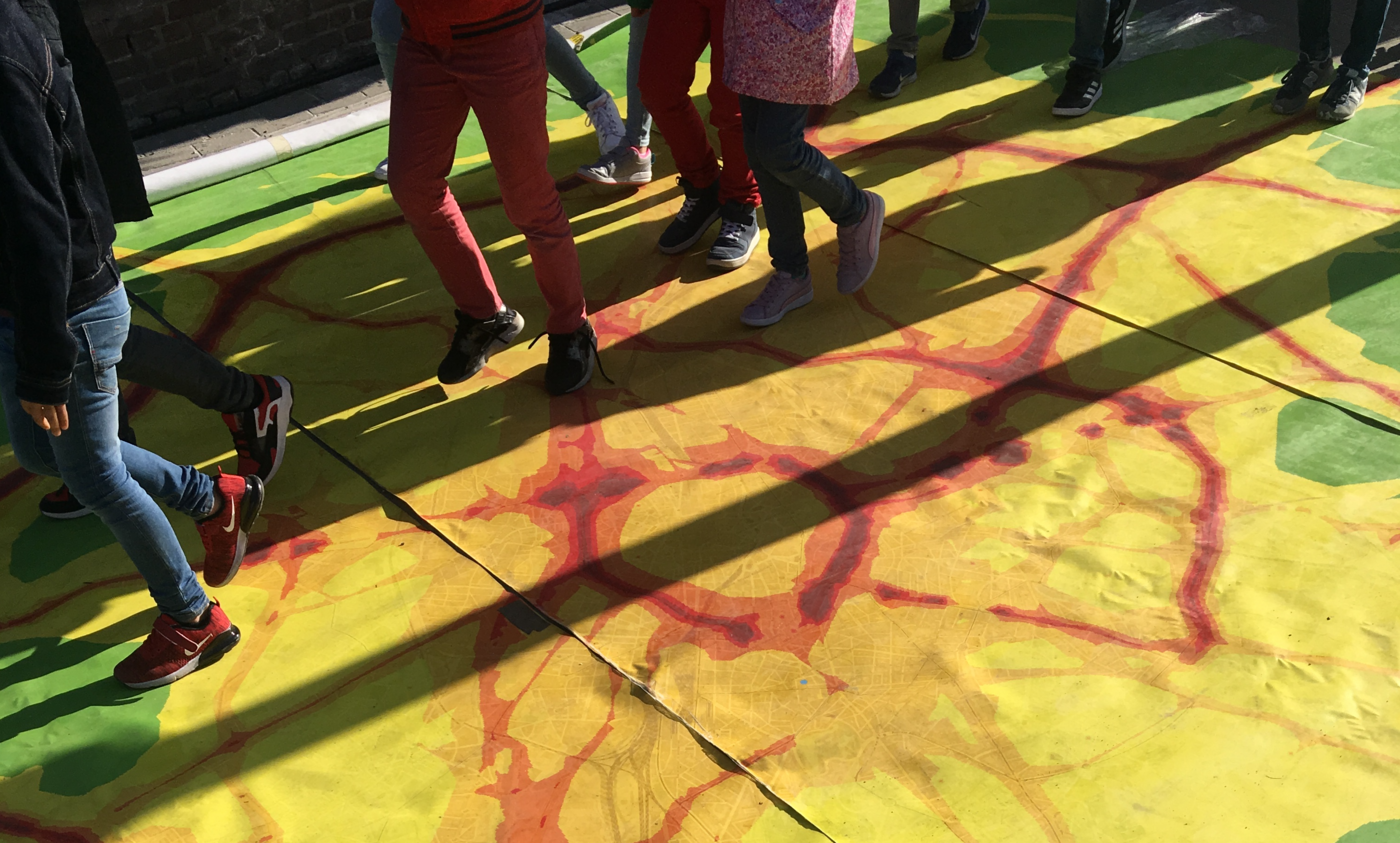
2019: Air for Schools
Citizens are once again demanding right of way on the streets. They are outraged: the quality of the air their children breathe every day at school is downright bad. Parents are joining forces and take action every week, all over the country, under the name ‘Filter Café Filtré’. What is special is that this citizens' movement doesn’t get mired in criticism, but suits the action to the word. Committed architects develop alternative design proposals on how the design of school environments can be different and better.
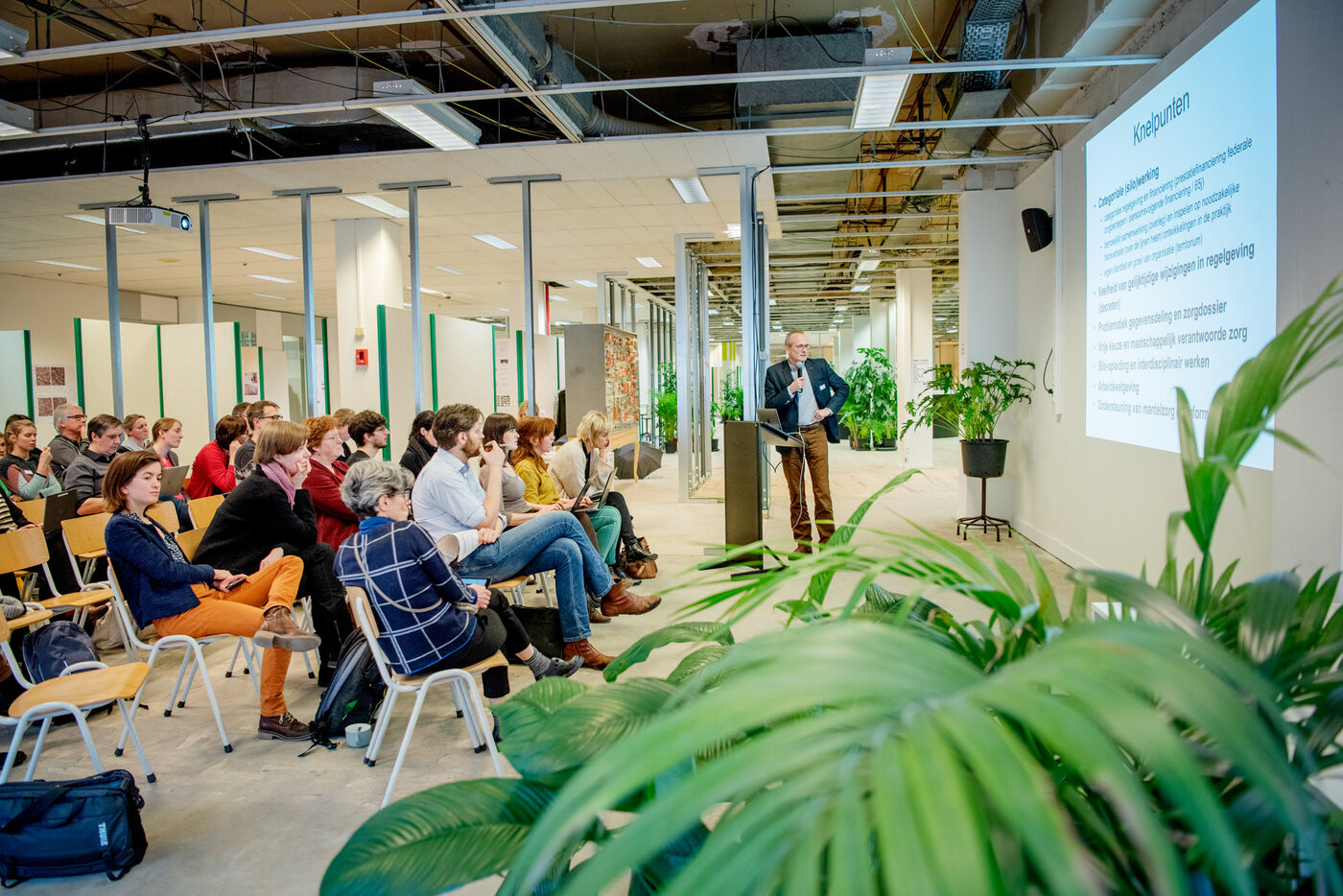
The fact that care lies at the heart of our society needs no further explanation since the covid-19 pandemic. The initiative for the studio series ‘Take Care! Invisible care as a social-spatial issue’ came about just before the outbreak of this global health crisis. Representatives from different policy domains, knowledge institutions, care organizations and architects sat down together. They had discussions for five afternoons on how space can be a lever to integrate care in our society in a ‘normal and natural way’.